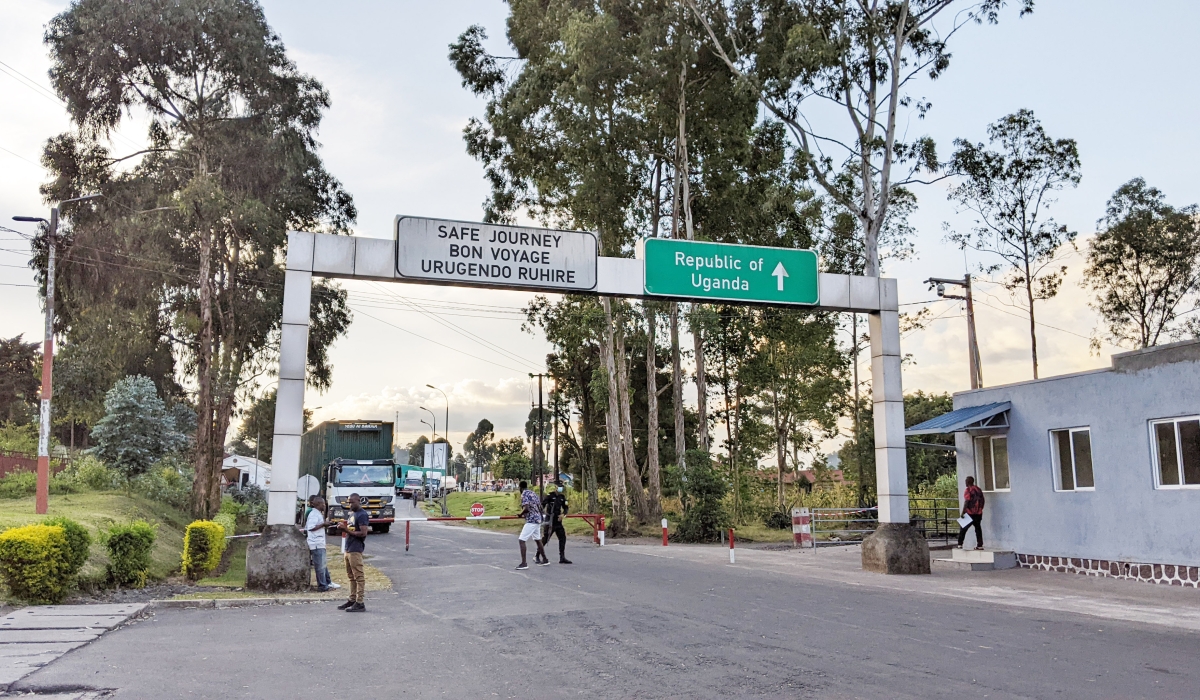
The Cyanika Border is one of the most traveler-friendly and scenic crossing points between Rwanda and Uganda, ideal for those seeking gorilla trekking adventures in the southern sectors of Bwindi Impenetrable National Park (especially Rushaga and Nkuringo) or in Mgahinga Gorilla National Park. Situated just a few kilometers from Kisoro town in southwestern Uganda and about 25 kilometers from Musanze in Rwanda, Cyanika serves as a strategic route for travelers flying into Kigali who prefer a shorter, more direct road journey into Uganda’s gorilla country. The border sits amidst the dramatic backdrop of the Virunga Mountains, making the approach particularly scenic and memorable.
Location and Route Details
From Kigali, the drive to the Cyanika border typically takes around 3 to 4 hours, covering a distance of roughly 115 kilometers. The road is well-paved and winds through verdant Rwandan countryside, with panoramic views of the rolling hills, volcanic peaks, and agricultural terraces. Upon reaching the border town of Cyanika on the Rwandan side, travelers find a small but organized border post. On the Ugandan side, the border connects directly to Kisoro town, which serves as the main hub for accessing the Rushaga, Nkuringo, and Mgahinga sectors. The drive from Cyanika to Mgahinga is around 30 minutes, to Rushaga is approximately 1.5 to 2 hours, and to Nkuringo about 2.5 hours, depending on road conditions.
Cyanika Border Operating Hours
Cyanika border is open seven days a week, with official operating hours running from 6:00 AM to 7:00 PM. It is advisable to cross early in the day, especially if you are continuing onward to remote lodges or embarking on gorilla trekking the next morning. Border traffic is usually light, and the immigration process is relatively quick compared to larger border points, though occasional delays can occur during peak tourism seasons or public holidays.
Visa and Entry Requirements
Travelers crossing at Cyanika must have the appropriate travel documentation for Uganda. Most tourists opt for the East African Tourist Visa, which costs $100 USD and allows multiple entries between Uganda, Rwanda, and Kenya within 90 days. This is especially convenient for those arriving in Kigali and trekking in Uganda. If you only plan to visit Uganda, a single-entry Uganda tourist visa for $50 USD is also available. All visa applications should be made online in advance through the respective immigration portals. Additionally, a valid passport with at least six months of validity is required, and all travelers must present a Yellow Fever Vaccination Certificate—a mandatory requirement for entering Uganda. Without this certificate, entry can be denied or delayed at the border.
Immigration and Customs Process
The process of crossing at Cyanika is generally straightforward. First, travelers must exit Rwanda by presenting their passport at the Rwandan immigration office for an exit stamp. Then, a short walk or drive leads to the Ugandan side, where visitors fill out an arrival form and present their visa approval, passport, and Yellow Fever certificate to the immigration officer. Customs inspections are light for tourists, though those bringing in personal vehicles may be asked to provide vehicle documents, proof of insurance, and clearance for temporary importation. Officials are usually polite and helpful, especially when dealing with foreign visitors on organized safaris or self-drive trips.
Vehicle Requirements for Self-Drive Travelers
If you are crossing the border in a private or rental vehicle, you’ll need to ensure several things are in order. First, your vehicle must have COMESA insurance, which provides coverage across East African countries. Secondly, Ugandan customs will require a Temporary Import Permit (TIP) for the vehicle—this can be obtained at the border upon entry. If you’re using a rental car, make sure to have a cross-border authorization letter from your rental company. Remember that driving laws differ: Rwanda drives on the right side, while Uganda drives on the left. Adjusting to the change, especially on mountainous roads, requires extra caution.
Currency Exchange and Mobile Connectivity
Although Cyanika is a small border post, travelers will often find local money changers offering exchange between Rwandan Francs (RWF) and Ugandan Shillings (UGX). While rates may not be the most favorable, they are acceptable for small amounts. For larger exchanges, it’s better to wait until you reach a town like Kisoro. Mobile SIM cards are not typically sold at the border, but you can easily purchase and register an MTN or Airtel Uganda SIM card in Kisoro town. Registration requires a passport and typically takes just a few minutes at a service center.
Facilities at the Border
Facilities at the Cyanika border are basic but functional. Both sides have immigration and customs offices, some shelter, public toilets, and a few kiosks or local vendors selling drinks, snacks, and phone top-ups. For more comprehensive services like banking, supermarkets, accommodation, or dining, you’ll need to travel to Kisoro in Uganda or Musanze in Rwanda, both of which are only a short drive away and have good amenities for tourists.
Continuing to Bwindi or Mgahinga
After crossing into Uganda, travelers have a few route options depending on which gorilla trekking sector they are visiting. For those heading to Mgahinga Gorilla National Park, the drive is short and takes about 30 minutes on a well-maintained road. If you are going to Bwindi’s Rushaga or Nkuringo sectors, prepare for a 1.5–2.5 hour drive over mountainous and sometimes rugged terrain, which makes a 4×4 vehicle highly recommended. These areas are less trafficked and offer intimate gorilla trekking experiences, with most lodges located in remote, tranquil forest settings.
Tips for a Smooth Crossing
To ensure a seamless experience at the Cyanika border, aim to cross early in the day and allow for enough travel time to reach your lodge before nightfall. Keep printed copies of your visa approval, itinerary, and accommodation confirmation, as immigration officers sometimes request these documents. Always carry your Yellow Fever certificate and passport in an easily accessible place. It’s helpful to have a small amount of local currency (Rwandan Francs and Ugandan Shillings) for tips or small purchases. If you are unfamiliar with cross-border travel in Africa, consider using a trusted tour operator or guide who can assist with formalities and ensure nothing is overlooked.
The Cyanika Border Crossing stands out as one of the most efficient and picturesque routes for travelers moving between Rwanda and Uganda, especially those pursuing the once-in-a-lifetime experience of gorilla trekking. Its location near both Mgahinga and the southern sectors of Bwindi makes it a strategic gateway for safaris starting in Kigali and continuing into Uganda. With the right preparation and documentation, crossing Cyanika is typically fast and easy, setting the tone for an unforgettable East African adventure.