
Top Things to Do In Bwindi
Hidden within the mist-covered hills of southwestern Uganda, Bwindi Impenetrable Forest National Park is one of Africa’s most extraordinary wilderness destinations. A UNESCO World Heritage Site renowned for its incredible biodiversity, this ancient rainforest has stood for over 25,000 years, making it one of the oldest and most biologically rich forests on the continent. Dense vegetation, towering trees, cascading waterfalls, and breathtaking mountain scenery create a magical landscape that feels untouched by time.
Bwindi is best known as the home of nearly half of the world’s remaining mountain gorillas, offering visitors the rare privilege of coming face-to-face with these gentle giants in their natural habitat. Yet the park is far more than a gorilla destination. It is a haven for wildlife enthusiasts, birdwatchers, photographers, hikers, and cultural travelers seeking authentic experiences in one of Africa’s last great rainforests.
The park shelters more than 120 mammal species, over 350 bird species—including many rare Albertine Rift endemics—more than 200 butterfly species, and thousands of unique plants that thrive within its lush ecosystem. Every trail reveals something remarkable, whether it’s colorful birds hidden in the canopy, playful primates swinging through the trees, or panoramic viewpoints overlooking rolling hills and distant volcanoes.
Beyond its natural wonders, Bwindi offers meaningful cultural encounters with the Batwa people, the forest’s original inhabitants, as well as welcoming local communities where visitors can experience traditional Ugandan hospitality, coffee farming, crafts, music, and dance. These experiences not only enrich your journey but also contribute directly to conservation efforts and community livelihoods.
Whether you’re planning your first African safari, chasing a lifelong dream of gorilla trekking, or searching for an unforgettable adventure off the beaten path, Bwindi Impenetrable Forest National Park promises memories that will last a lifetime. From intimate gorilla encounters and scenic forest hikes to birdwatching, mountain biking, cultural tours, and breathtaking photography opportunities, every moment in Bwindi brings you closer to the wild heart of Africa.
To help you make the most of your visit, here are the top 10 things to do in Bwindi Impenetrable Forest National Park in 2025, plus a bonus recommendation to complete your Ugandan adventure.
Gorilla Trekking Experience
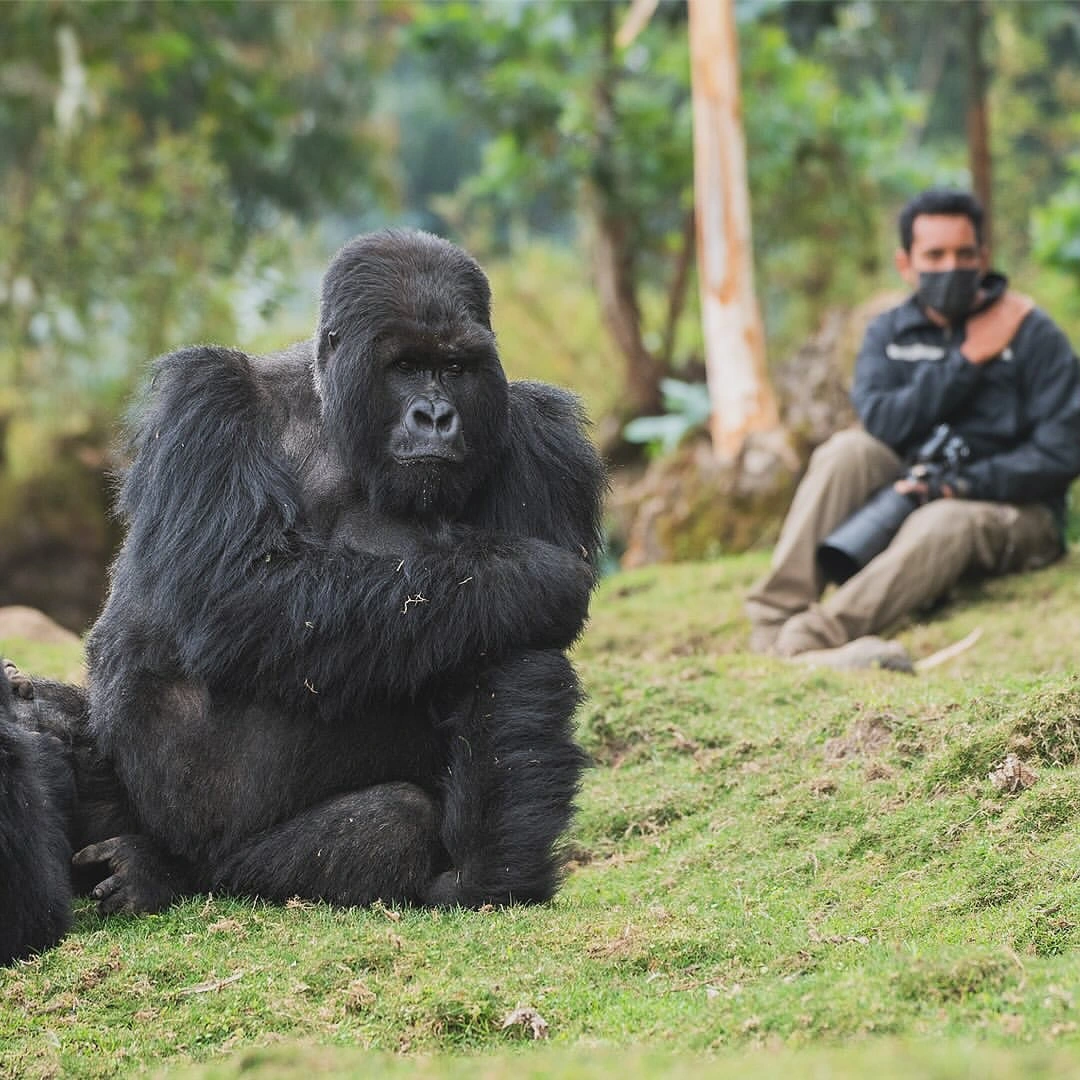
No visit to Bwindi Impenetrable Forest National Park is complete without embarking on the world-famous gorilla trekking experience. Widely regarded as one of Africa’s greatest wildlife adventures, gorilla trekking offers the rare opportunity to come face-to-face with endangered mountain gorillas in their natural rainforest habitat.
The highlight comes when you finally meet a habituated gorilla family. For one unforgettable hour, you’ll quietly observe these gentle giants as they feed, groom one another, play, and interact naturally.
Watching a massive silverback calmly protect his family, playful juveniles swinging through the trees, and mothers tenderly caring for their infants is an emotional and humbling experience that few wildlife encounters can match.
Bwindi is home to nearly half of the world’s remaining mountain gorillas and protects more habituated gorilla families than any other destination, making it one of the best places on Earth for gorilla trekking. The park has four trekking sectors—Buhoma, Ruhija, Rushaga, and Nkuringo—each offering unique landscapes, varying levels of hiking difficulty, and exceptional gorilla encounters.
Gorilla Habituation Experience
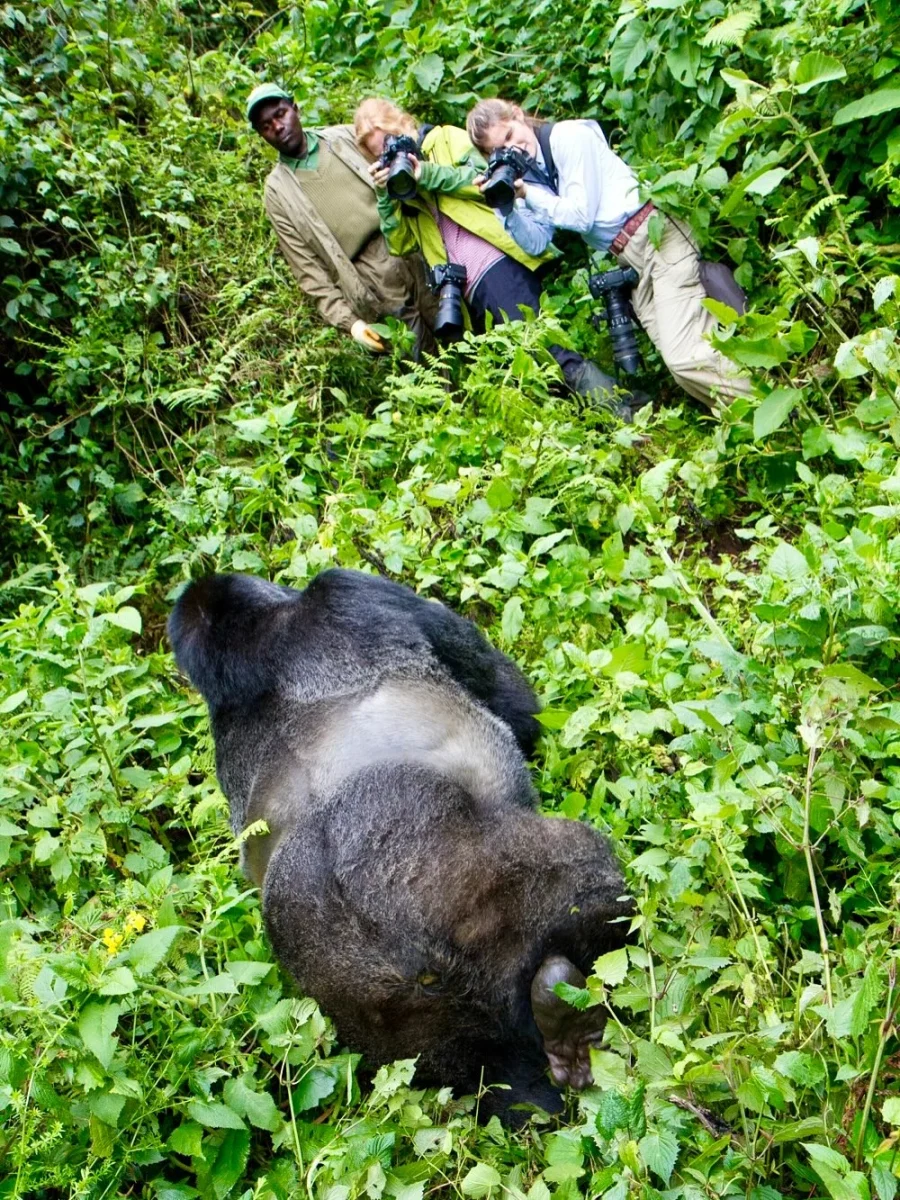
If one hour with mountain gorillas doesn’t feel like enough, the Gorilla Habituation Experience offers an even more immersive and exclusive wildlife encounter. Available only in the Rushaga sector of Bwindi Impenetrable Forest National Park, this unique activity allows visitors to spend up to four hours with a semi-habituated gorilla family alongside researchers, trackers, veterinarians, and experienced Uganda Wildlife Authority rangers.
Unlike the standard gorilla trekking experience, where you visit gorilla families already accustomed to human presence, gorilla habituation takes you behind the scenes of the conservation process.
Habituation is the gradual process of helping wild gorillas become comfortable with the presence of people without altering their natural behaviors. This process can take two to three years and plays a vital role in gorilla conservation and sustainable tourism.
Once the gorillas are located, you’ll spend up to four incredible hours observing their daily lives. Watch dominant silverbacks monitor their families, mothers nurture their infants, playful juveniles wrestle and climb through the trees, and curious young gorillas explore their surroundings. With fewer visitors allowed each day and more time in the forest, the experience feels intimate, relaxed, and exceptionally rewarding.
The extended viewing time also makes this activity a favorite among wildlife photographers, filmmakers, researchers, and nature enthusiasts, providing greater opportunities to capture unique behaviors, changing light conditions, and unforgettable moments that are rarely possible during the standard one-hour trek.
Only 8 permits are issued each day and strictly only in the south of Bwindi in the Rushaga Sector, making this one of the most exclusive wildlife experiences in Africa. Because availability is extremely limited, booking your permit several months in advance is highly recommended, especially during the peak travel seasons.
Nature Walks and Waterfall Hikes
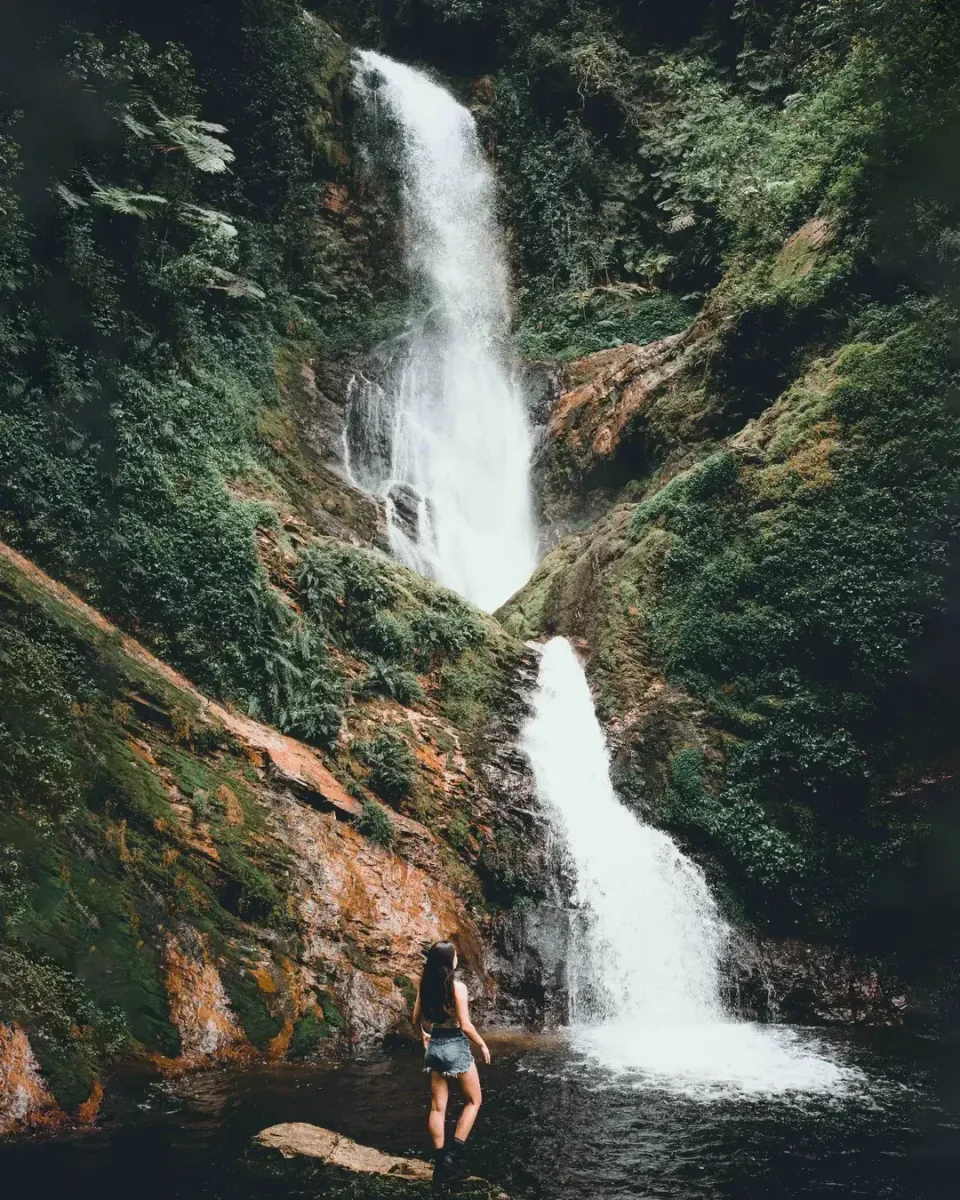
While gorilla trekking is the park’s biggest attraction, Bwindi Impenetrable Forest National Park offers an equally rewarding experience through its scenic nature walks and waterfall hikes. These guided excursions allow you to explore the ancient rainforest at a slower pace, revealing the incredible biodiversity, tranquil landscapes, and hidden natural treasures that make Bwindi one of Africa’s most remarkable forests.
Led by experienced Uganda Wildlife Authority guides, the trails wind beneath towering mahogany and fig trees, across crystal-clear streams, and through dense vegetation alive with the sounds of birds, insects, and primates.
Along the way, you may encounter black-and-white colobus monkeys, L’Hoest’s monkeys, blue monkeys, colorful butterflies, orchids, and a wide variety of medicinal plants used by local communities for generations.
One of the most popular walks is the Munyaga Waterfall Trail in the Buhoma sector. This relatively easy hike leads visitors through lush rainforest to a beautiful three-tiered waterfall hidden deep within the forest. The cool mist, cascading water, and peaceful surroundings make it a perfect spot to relax, take photographs, and appreciate Bwindi’s untouched beauty.
For travelers seeking longer adventures, the Ivy River Trail offers a full-day trek connecting the Buhoma and Nkuringo sectors. This scenic route passes through pristine rainforest, river valleys, and diverse wildlife habitats while providing breathtaking views of the surrounding hills. Another favorite is the Rushura Hill Trail, which rewards hikers with spectacular panoramic views of Bwindi Forest, the Virunga Volcanoes, and, on a clear day, both Uganda and the Democratic Republic of the Congo.
Nature walks are also an excellent option for visitors who may not be trekking gorillas or who wish to extend their stay with additional outdoor activities. Every trail offers a chance to discover the park’s rich ecosystems, learn about its unique flora and fauna, and enjoy the peaceful atmosphere of one of Africa’s oldest rainforests.
Bird Watching
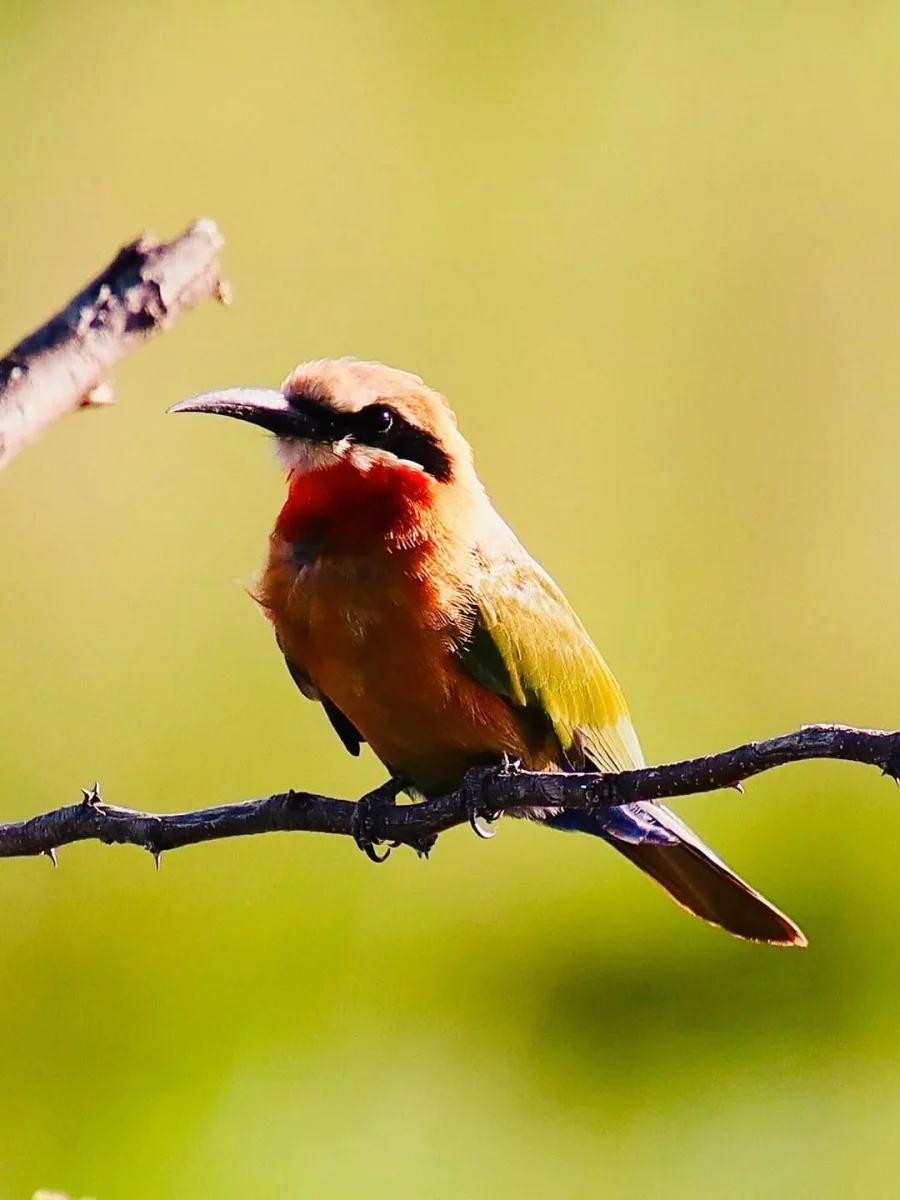
Bwindi Impenetrable Forest National Park is one of Africa’s most exceptional birding destinations, making it a must-visit location for both seasoned ornithologists and casual nature lovers. With more than 350 recorded bird species, including 23 Albertine Rift endemics, Bwindi offers some of the richest and most unique birdwatching opportunities on the continent.
Among the most sought-after species are the African Green Broadbill, Shelley’s Crimsonwing, Regal Sunbird, Grauer’s Rush Warbler, and the elusive Short-tailed Warbler. Many of these species are extremely rare and can only be found in the Albertine Rift region, making Bwindi one of the best places in the world to spot them.
The Buhoma and Ruhija sectors are especially popular for birdwatching due to their rich forest edges and well-maintained trails. Guided birding tours are available throughout the park, led by expert local guides who are skilled at identifying calls, spotting hidden species in the canopy, and helping visitors get the best possible sightings.
Beyond rare endemics, Bwindi is also home to hornbills, turacos, sunbirds, kingfishers, flycatchers, and forest robins, creating a rich and colorful birding experience even for beginners.
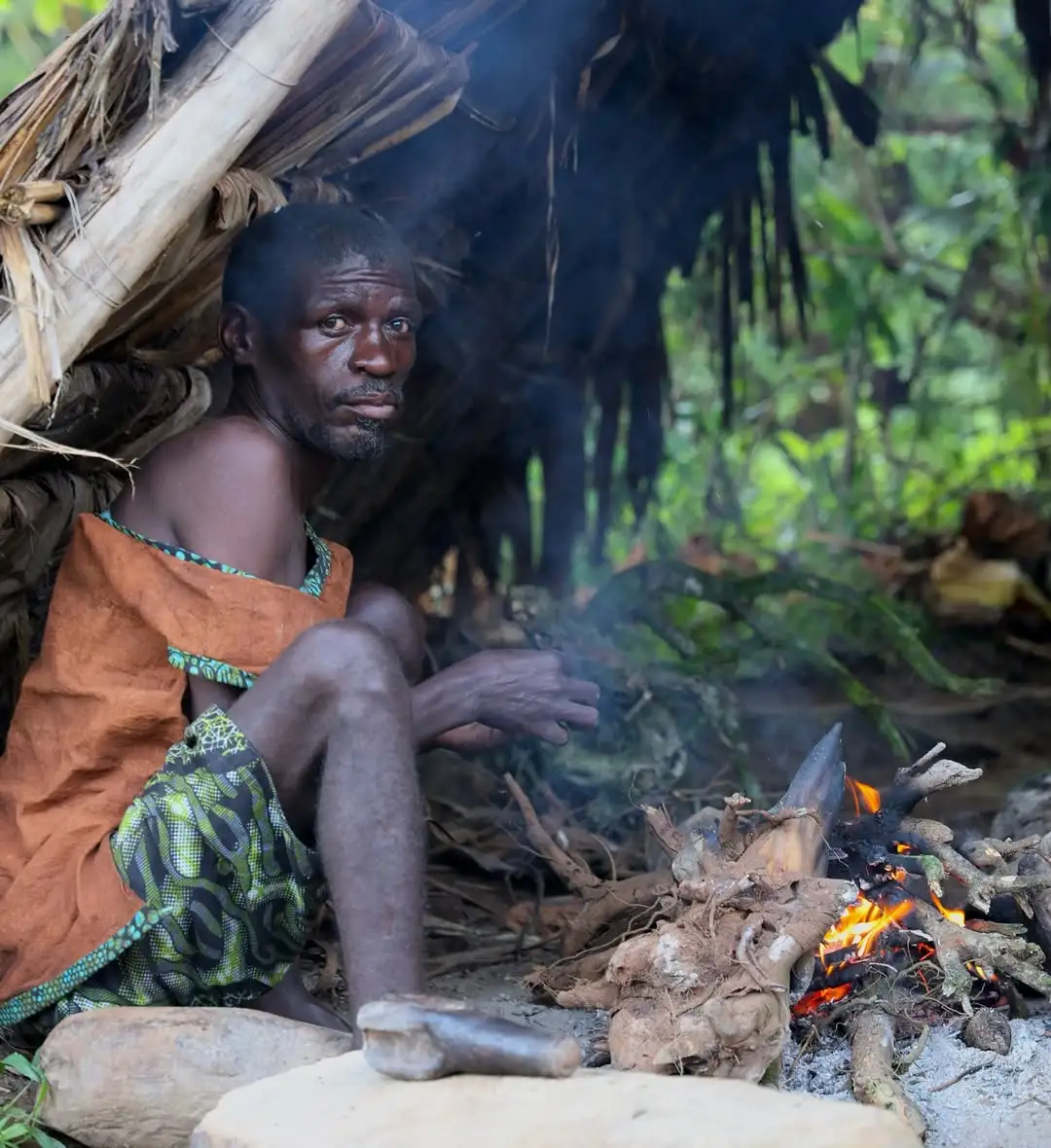
Meet the Batwa Pygmies
A visit to Bwindi Impenetrable Forest National Park is not only about wildlife and landscapes—it is also an opportunity to connect with one of East Africa’s most fascinating indigenous communities, the Batwa people. Often referred to as the “keepers of the forest,” the Batwa are the original inhabitants of Bwindi, having lived as hunter-gatherers in the forest for thousands of years before it was designated a national park.
The Batwa Cultural Experience offers visitors a rare chance to learn about their traditional way of life, deep spiritual connection to the forest, and remarkable survival skills that once allowed them to thrive in one of Africa’s most challenging environments.
Guided by Batwa community members, you will hear stories passed down through generations and gain insight into how they once coexisted harmoniously with wildlife, relying on the forest for food, medicine, and shelter.
During the experience, Batwa guides demonstrate traditional practices such as fire-making without modern tools, hunting techniques using bows and arrows, gathering wild fruits and medicinal herbs, and building temporary forest shelters. You may also visit sacred sites, including ancient caves that served as homes and ceremonial spaces, offering a powerful glimpse into their cultural heritage.
Music, dance, and storytelling are an important part of the experience. The Batwa use rhythmic songs and energetic performances to share their history, express emotions, and celebrate their identity. These cultural expressions create a deeply moving and memorable connection for visitors.
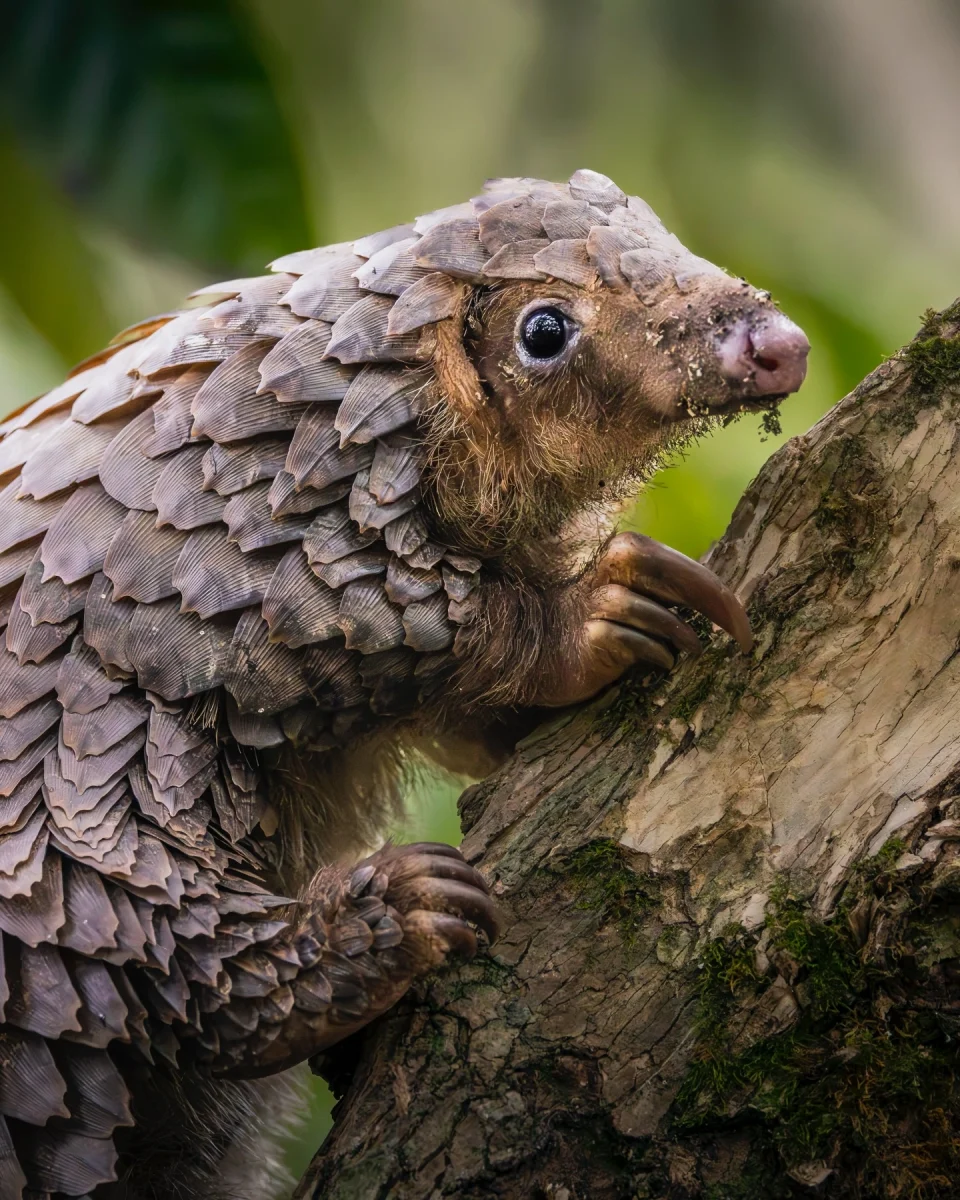
Visit the Pangolin Rescue Center
A visit to the Pangolin Rescue Center near Buhoma offers one of the most unique and meaningful wildlife experiences in Bwindi Impenetrable Forest National Park. This small but impactful conservation facility is dedicated to the rescue, rehabilitation, and release of pangolins—one of the world’s most trafficked and endangered mammals.
Located just a short drive or walk from Buhoma, the center gives visitors a rare opportunity to learn about these shy, nocturnal creatures and the urgent conservation work being done to protect them. Guided tours explain how pangolins are rescued from illegal wildlife trade, treated, and carefully prepared for release back into Bwindi’s forests.
During your visit, you’ll gain insight into the challenges pangolins face, including poaching, habitat loss, and illegal trafficking. The guides also share inspiring success stories of rehabilitation and release, showing how conservation efforts are making a real difference. If you’re lucky, you may even get a chance to see a rescued pangolin up close, though sightings are not always guaranteed due to their sensitive nature.
Beyond the animals themselves, the experience also highlights strong community involvement. The center works closely with local people, providing alternative livelihoods and conservation education to reduce poaching and promote wildlife protection. This makes the visit not just educational, but also deeply impactful.
Other Top Things to Do In Bwindi
Community Empowerment Projects
Bwindi is not only a destination for wildlife adventures but also a hub for meaningful community empowerment initiatives. Through various tourism-supported projects, local communities around the park benefit from education programs, healthcare improvements, and income-generating activities. Visitors have the opportunity to see how tourism directly contributes to improving livelihoods, reducing poverty, and promoting conservation awareness. These projects highlight the strong connection between protecting Bwindi’s natural heritage and supporting the people who live alongside it, making every visit both impactful and responsible.
Coffee Tours
The fertile volcanic soils surrounding Bwindi produce some of Uganda’s finest Arabica coffee, and coffee tours offer a rich cultural and sensory experience. Visitors are guided through the entire coffee-making process—from picking ripe coffee cherries on small family farms to roasting, grinding, and finally tasting freshly brewed Ugandan coffee. Along the way, farmers share stories about traditional farming practices and how coffee cultivation supports their households. It’s an immersive experience that blends culture, agriculture, and flavor in one unforgettable journey.
Carving and Weaving Experiences
Bwindi’s surrounding communities are known for their vibrant craftsmanship, particularly in basket weaving and wood carving. Visitors can watch skilled artisans transform natural materials into beautiful handmade products such as baskets, mats, sculptures, and decorative items. Many of these techniques have been passed down through generations, preserving cultural identity while providing a sustainable source of income. Engaging with these artisans offers not only a chance to purchase unique souvenirs but also to appreciate the creativity and heritage behind each piece.
Village Walks
A village walk around Bwindi provides an authentic glimpse into everyday rural life in southwestern Uganda. Guided by local residents, visitors explore homesteads, farmlands, and community spaces while learning about traditional farming methods, family life, and local customs. Along the way, you may meet farmers tending banana plantations, children heading to school, and elders sharing stories about the history of the area. These walks create meaningful cultural exchanges and offer a deeper understanding of how communities live in harmony with the forest environment.