
Gorilla trekking is Uganda’s flagship adventure activity, drawing thousands of visitors to Bwindi Impenetrable Forest each year. Among the celebrated gorilla families open to tourists is the Bitukura Gorilla Family, based in the Ruhija sector, located in the eastern part of the park. This family has become a prominent feature of gorilla tourism in Uganda.
The Bitukura group is one of the more recently habituated gorilla families by the Uganda Wildlife Authority. With each new habituated group, the number of gorilla trekking permits increases—bringing more visitors and valuable foreign exchange to Uganda, fondly known as the Pearl of Africa.
Although relatively new to tourism, the Bitukura family is expanding steadily. One of the females, Ruhara, recently gave birth, a joyful addition to the group. Interestingly, Kyaguliro, a female who joined the Bitukura family from another group last year, has not returned to her former group—an unusual move that continues to intrigue researchers.

📜 History and Name Origin
The family was named Bitukura after the nearby Bitukura River, where it was first spotted. This river also lies within the family’s home range. The habituation process for Bitukura began in July 2007 and was completed remarkably quickly. By October 2008, the group was officially opened for tourism. Unlike many groups that take two or more years to habituate, Bitukura’s familiarity with humans—due to frequent encounters with park rangers during monitoring of the nearby Kyaguriro group—made the process much smoother and faster.
🏞 Group Dynamics and Behavior
Bitukura is known as a calm and cooperative family with relatively low levels of internal conflict. Much of this harmony is credited to the wise leadership of Ndahura, the dominant silverback. Bitukura and Kyaguriro families also maintain a unique relationship, often seen interacting in what might be described as monthly “family reunions.”
However, the group’s dynamics are not without their surprises. A case in point is the unexpected migration of their eldest juvenile female, Twigukye, to the Kyaguriro family. While it’s common for adult females to leave their natal groups to form new ones or join existing ones, Twigukye made the move at a surprisingly young age, which continues to puzzle researchers.
👥 Members of the Bitukura Gorilla Family
Ndahura – Dominant silverback
Karamuzi – Second silverback (Ndahura’s deputy)
Rukumu – Third silverback
Rukara – Fourth silverback
Ruhara – Adult female
Betina – Adult female
Kamuga – Adult female
Obia – Blackback
Mugisha – Blackback
Twakire – Juvenile
Kabandize – Juvenile (formerly of Kyaguriro group)
Kadogo – Infant
Mubwindi – Infant
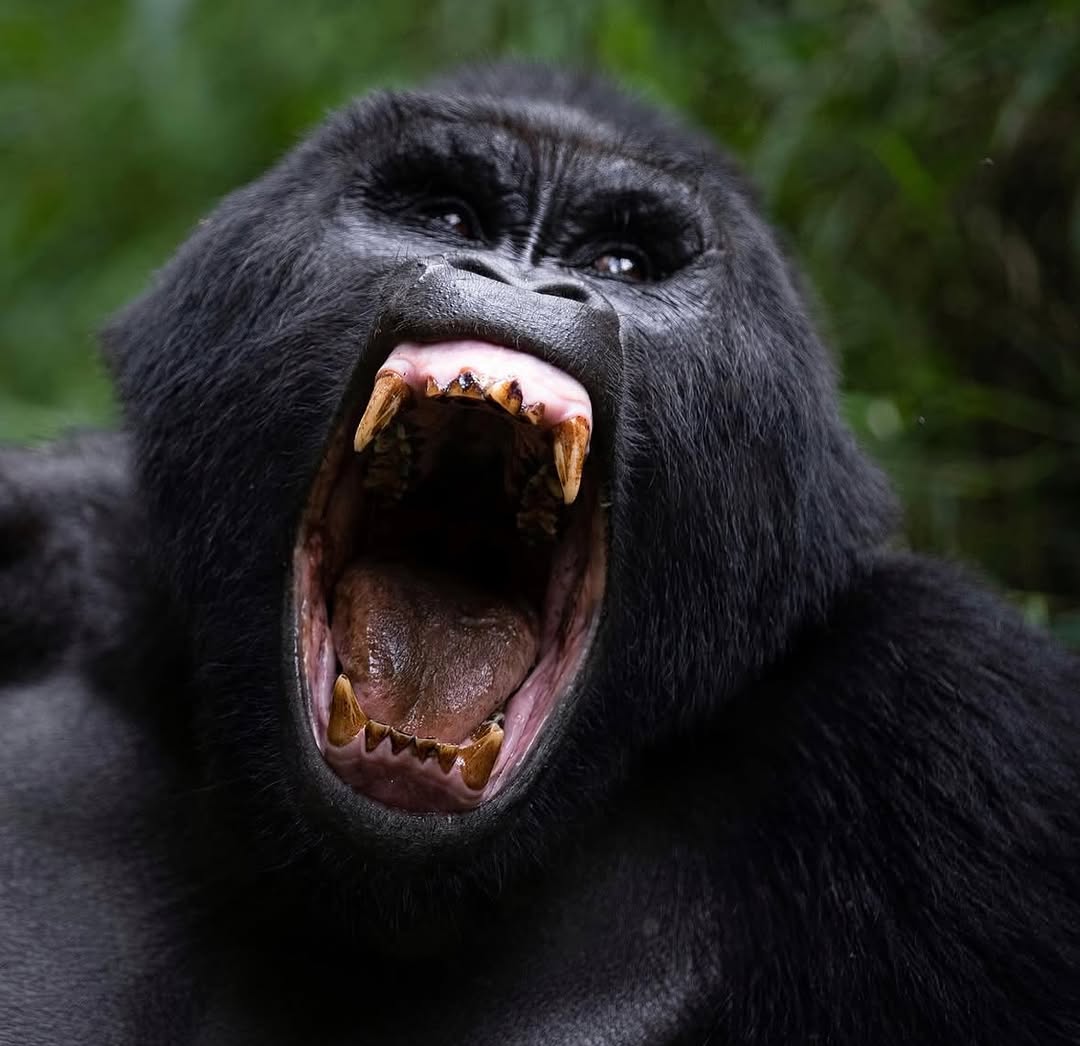
🎭 A Day in the Life: Drama in the Vines
One memorable day, tourists were treated to an unexpected scene when the young blackback Obia decided to challenge the peace-loving leadership of Ndahura. While Ndahura was quietly feeding on vines a short distance from the rest of the family—perhaps enjoying a moment of solitude—Obia repeatedly interrupted him by tugging at the vines he was eating.
Ndahura tried to ignore the provocation, signaling his displeasure, but Obia persisted. Eventually, Ndahura lost patience. In a sudden outburst of dominance, he charged at Obia, gripped him forcefully, and delivered a swift but dramatic beating. The other gorillas looked on in shock as Obia fled to the edge of the group, visibly shaken and nursing his wounds. Though the scuffle was brief, it served as a clear reminder that even the calmest leaders have their limits.