Bwindi Impenetrable Forest is one of the most enchanting destinations in Africa, offering solo travelers a rare opportunity to experience the breathtaking beauty of nature and get up close with one of the world’s most endangered species – the mountain gorilla. Located in southwestern Uganda, Bwindi is home to over half of the world’s remaining mountain gorillas, making it a must-visit destination for any wildlife enthusiast. For solo travelers, Bwindi offers not just the chance to witness wildlife in its natural habitat, but also an immersive journey into a rich ecosystem teeming with biodiversity.
Why Bwindi Is Perfect for Solo Travelers
Bwindi Impenetrable Forest presents a unique blend of adventure, serenity, and cultural immersion, making it an exceptional destination for those traveling alone. Whether you’re an avid wildlife enthusiast or simply looking for a tranquil escape into nature, Bwindi’s untamed beauty offers a one-of-a-kind solo adventure. One of the major highlights of Bwindi is the opportunity to go gorilla trekking, an experience that allows you to observe these magnificent creatures in their natural habitat.

A Chance to Disconnect
For solo travelers seeking a break from the hustle and bustle of modern life, Bwindi offers an ideal setting. The forest’s remote location, away from the distractions of city life, provides a peaceful and rejuvenating environment. Walking through the dense forest, surrounded by towering trees, singing birds, and the occasional rustle of wildlife, allows you to reconnect with nature and yourself. It’s a perfect chance for reflection and solitude, especially if you need time away to focus on your personal growth or simply enjoy a moment of tranquility.
Meet Fellow Travelers
Although Bwindi is remote, it is a popular destination for international tourists, so solo travelers will find plenty of opportunities to meet like-minded people. From fellow trekkers to lodge staff, the communal dining areas at many lodges and shared trekking groups provide an excellent environment to forge new friendships. You can join group treks, where you’ll be part of a small group of trekkers, making the experience even more social and enriching. Many travelers from around the world embark on the same journey, creating a great atmosphere for sharing experiences and learning from others.
Gorilla Trekking: A Solo Adventure of a Lifetime
Gorilla trekking is undoubtedly the most popular activity in Bwindi, attracting solo travelers from around the globe. The trekking experience is both physically demanding and emotionally rewarding. You’ll hike through the dense forest in search of a gorilla family that has been habituated to human presence. The trek can take anywhere from 1 to 6 hours, depending on the location of the gorillas. Once you locate them, you’ll spend an hour observing the gorillas, watching them interact, eat, play, and display their remarkable social behavior. For a solo traveler, this is a truly magical experience, offering both personal satisfaction and a connection to the natural world.
Preparation and Permits
Before embarking on a gorilla trek, solo travelers must secure a permit. These permits are available for purchase from the Uganda Wildlife Authority (UWA) and can be booked directly through their website or through a reputable local tour operator. The price of the permit can vary, but it is typically around $700 USD per person. It’s important to book well in advance, as permits are limited and can sell out quickly, especially during the high season (June to September and December to February).
Physical and Mental Preparation
While trekking in Bwindi can be physically demanding, it is an experience worth preparing for. The trails in the forest are often steep, muddy, and uneven, requiring a moderate level of physical fitness. Solo travelers should be prepared for hiking in an environment that can be challenging, especially if the weather turns rainy. It’s a good idea to engage in some physical training beforehand to ensure you are comfortable during the trek. Bring sturdy, waterproof hiking boots, a rain jacket, gloves, and a hat to help you navigate the terrain. Being physically prepared will enhance the experience, allowing you to fully enjoy the trek without unnecessary discomfort.
Accommodation Options for Solo Travelers
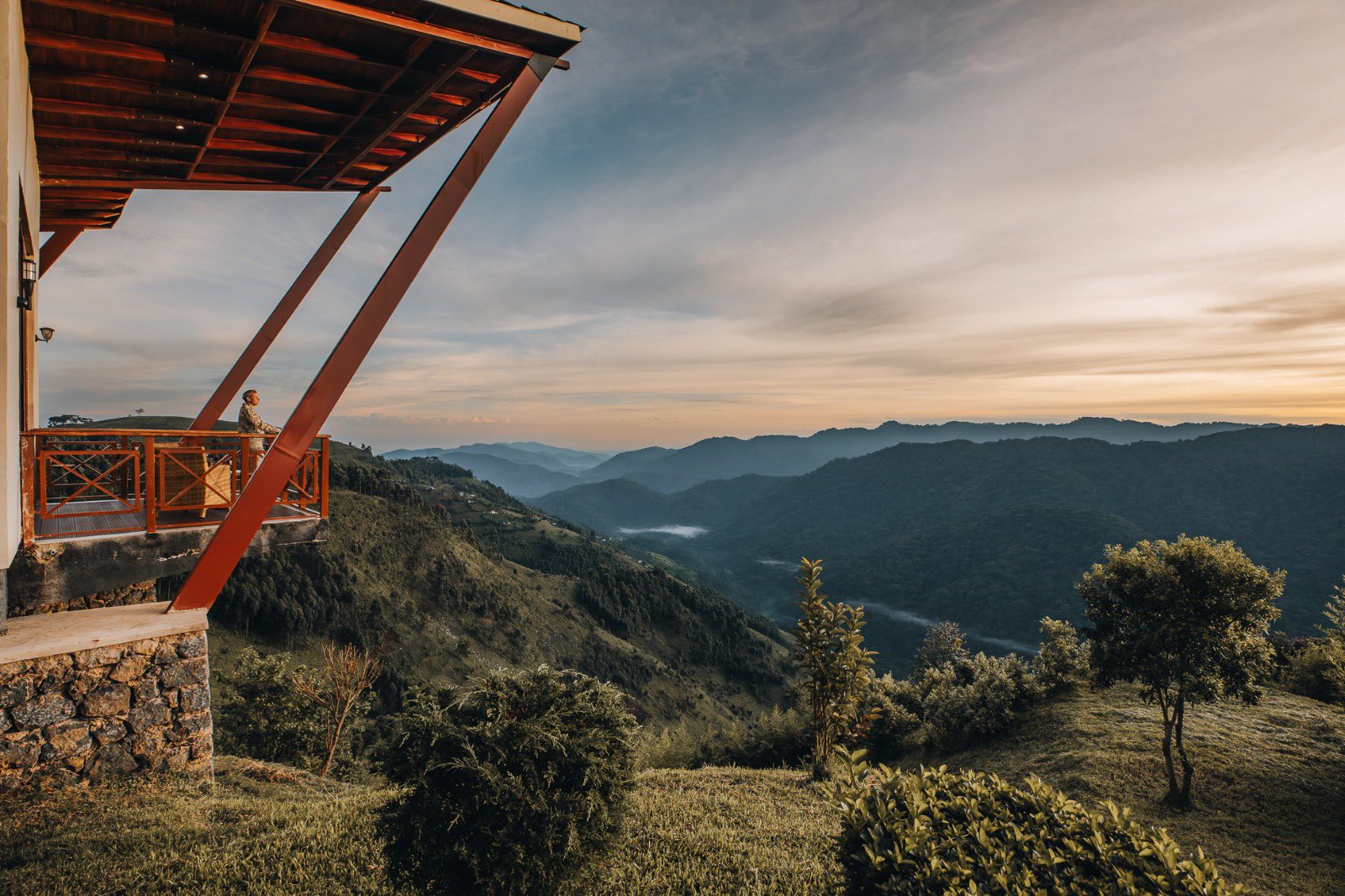
Bwindi offers a variety of accommodation options that cater to solo travelers, ranging from budget-friendly lodges to more luxurious, high-end properties. Many lodges in and around Bwindi are eco-friendly and built to harmonize with the natural surroundings. These lodges offer communal dining, where solo travelers can meet others and share stories about their day’s adventure. Staying at a lodge close to the park gates is convenient for those participating in gorilla trekking, ensuring a short and easy journey to the starting point of the trek.
For those on a tighter budget, there are more affordable lodges and guesthouses that provide a comfortable base for solo travelers without compromising on the overall experience. Staying in one of these smaller, more intimate lodges allows you to engage more closely with the local community and experience the authentic Ugandan hospitality. Some of the more luxurious lodges even offer the chance to unwind with spa treatments and fine dining after a long day of trekking.
Solo Travel Safety in Bwindi
Safety is an important consideration for any solo traveler, and Bwindi is a relatively safe destination, especially for those who take the necessary precautions. The local community is warm and welcoming, and the Uganda Wildlife Authority works hard to ensure that visitors are protected while trekking. However, like any remote area, it’s essential to exercise caution. Always inform your lodge or guide about your plans, stick to established trails, and never trek without a guide. The forest is home to a variety of wildlife, and it’s important to respect their space and follow all safety guidelines provided by your guide.
Although medical facilities are limited in the area, it’s advisable to carry a basic first aid kit, any necessary medications, and personal health items. Additionally, malaria is prevalent in Uganda, so solo travelers should take malaria prophylaxis and use insect repellent to avoid bites. If trekking in the rainy season, be prepared for muddy conditions, which can make the terrain even more challenging.
Best Time to Visit Bwindi for Solo Travelers
The best time to visit Bwindi for solo travelers is during the dry season, which typically runs from June to September and December to February. During these months, the weather is more favorable, with less rainfall, which makes trekking conditions more comfortable. The dry season also offers the best visibility for wildlife, as the forest is less dense and the trails are not as muddy. However, this is also the peak tourist season, so solo travelers need to book permits and accommodations well in advance.
If you prefer a quieter experience and are willing to face slightly more challenging conditions, the rainy season (March to May and October to November) can also be a good time to visit. The crowds are thinner, and you may enjoy lower rates for accommodation and permits. However, it’s essential to be prepared for wet conditions, which can make the trekking trails slippery and difficult.

Conclusion
Bwindi Impenetrable Forest is an extraordinary destination for solo travelers seeking adventure, solitude, and the chance to connect with nature. From the once-in-a-lifetime experience of gorilla trekking to the opportunity to immerse yourself in the rich culture and stunning biodiversity of Uganda, Bwindi offers a unique solo travel experience. By planning carefully, staying prepared, and embracing the challenges of trekking in the forest, solo travelers can enjoy a truly unforgettable journey that leaves a lasting impact on both the traveler and the environment. Whether you’re looking for adventure, personal reflection, or cultural immersion, Bwindi has something to offer for every solo traveler.