Altitude and Physical Fitness for Gorilla Trekking in Bwindi
When it comes to gorilla trekking, every visitor has a different expectation of what this extraordinary adventure involves. While encountering mountain gorillas in their natural habitat is the highlight, several factors influence the overall trekking experience. One of the most important is Bwindi Forest Altitude
Gorilla trekking in Uganda, Rwanda and the Democratic Republic of Congo takes place in mountainous forest environments, where elevation, steep terrain and changing weather conditions can make hiking physically demanding. Altitude-related symptoms can occur at elevations above approximately 2,500 metres, although some individuals may experience discomfort at lower elevations. Mountain gorillas inhabit forested mountain slopes, with some populations living at elevations of approximately 2,200 to 3,000 metres above sea level.
These high-altitude environments, combined with steep slopes and thick vegetation, can make the search for a gorilla family challenging. Visitors are therefore encouraged to prepare physically before their safari, particularly if they are not accustomed to hiking in mountainous terrain.
Bwindi Forest Altitude | Understanding the Two Phases of Gorilla Trekking
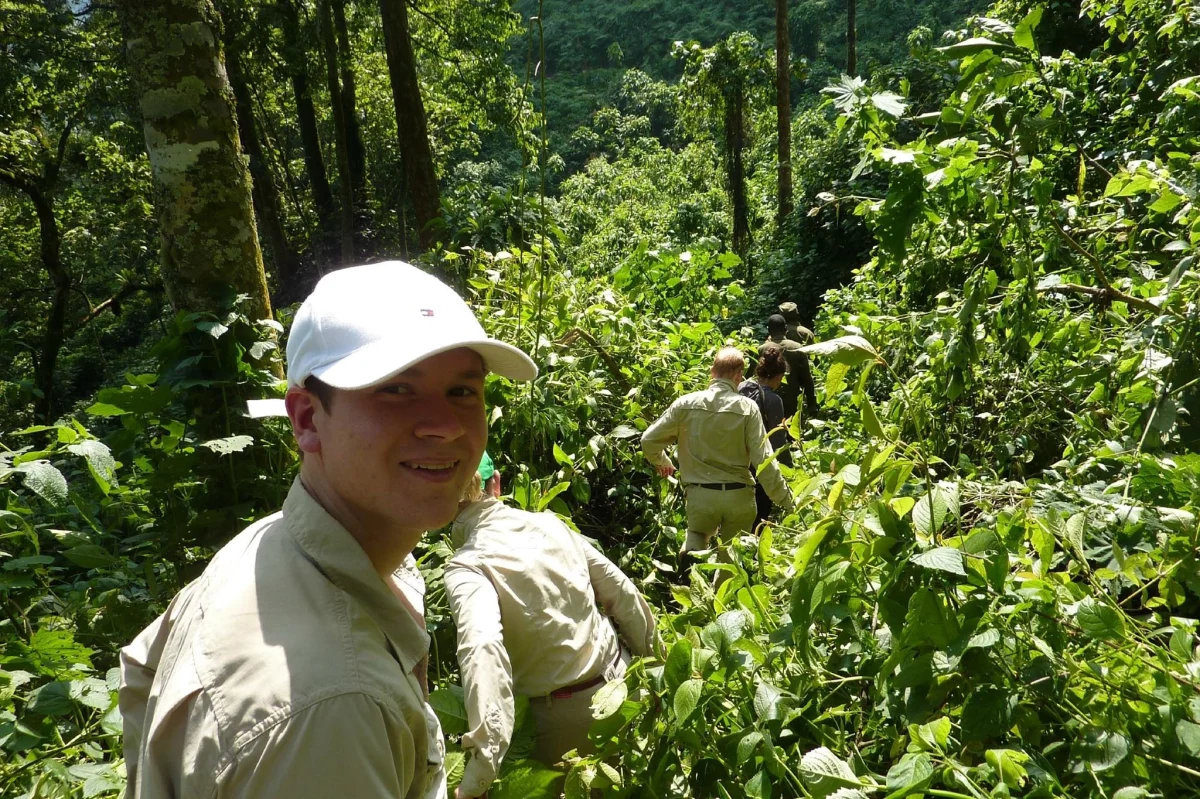
Gorilla trekking takes place in dense tropical rainforests characterised by steep hills, uneven ground and thick vegetation. The experience generally involves two main phases, each presenting different physical demands.
The first phase: Hiking to the forest entrance
The first part of the trek involves walking from the park headquarters or designated starting point towards the forest and the area where the gorillas are believed to be located. Depending on the trekking sector, starting point and gorilla family’s location, this initial walk may take approximately 30 minutes to an hour or longer.
The difficulty varies depending on the terrain and the location of the assigned gorilla family. Some routes follow relatively gentle slopes, while others involve steep climbs that require greater physical effort.
The second phase: Searching for mountain gorillas
The second phase takes you deeper into the forest in search of the assigned gorilla family. Accompanied by experienced and professionally trained park ranger guides, you follow forest trails and sometimes navigate thick vegetation, steep slopes and uneven ground.
This is often the more unpredictable part of the adventure because mountain gorillas move freely through their natural habitat. Their location on the day of trekking determines how far you need to walk and how challenging the journey becomes.
Depending on the gorilla family’s location, terrain, vegetation and your hiking pace, the trek can take approximately 2 to 8 hours or even longer. You may encounter muddy trails, tangled vegetation and steep sections that require considerable energy and endurance.
How Gorilla Family Location Influences Trekking Difficulty
The difficulty of gorilla trekking is largely determined by where a particular gorilla family is located on the day of your visit. Some families occupy areas that are relatively accessible, while others may require longer hikes through steep and rugged terrain.
For example, the Nkuringo sector of Bwindi Impenetrable National Park is known for its mountainous landscape and challenging trekking conditions. Some treks in this area involve considerable climbing and descending.
Similarly, the Susa A gorilla family in Rwanda’s Volcanoes National Park has historically been associated with challenging hikes, although trekking difficulty depends on the family’s location on the actual day.
Other gorilla families, including Sabyinyo, Hirwa, Kwitonda and Agashya in Rwanda, may sometimes be easier to reach depending on their movements. Amahoro and Umubano can also involve demanding hikes.
It is important to understand that no gorilla family is guaranteed to offer an easy trek. Mountain gorillas move daily, and the distance and difficulty can change considerably.
Bwindi Forest Altitude | Age, Physical Fitness and Altitude Considerations
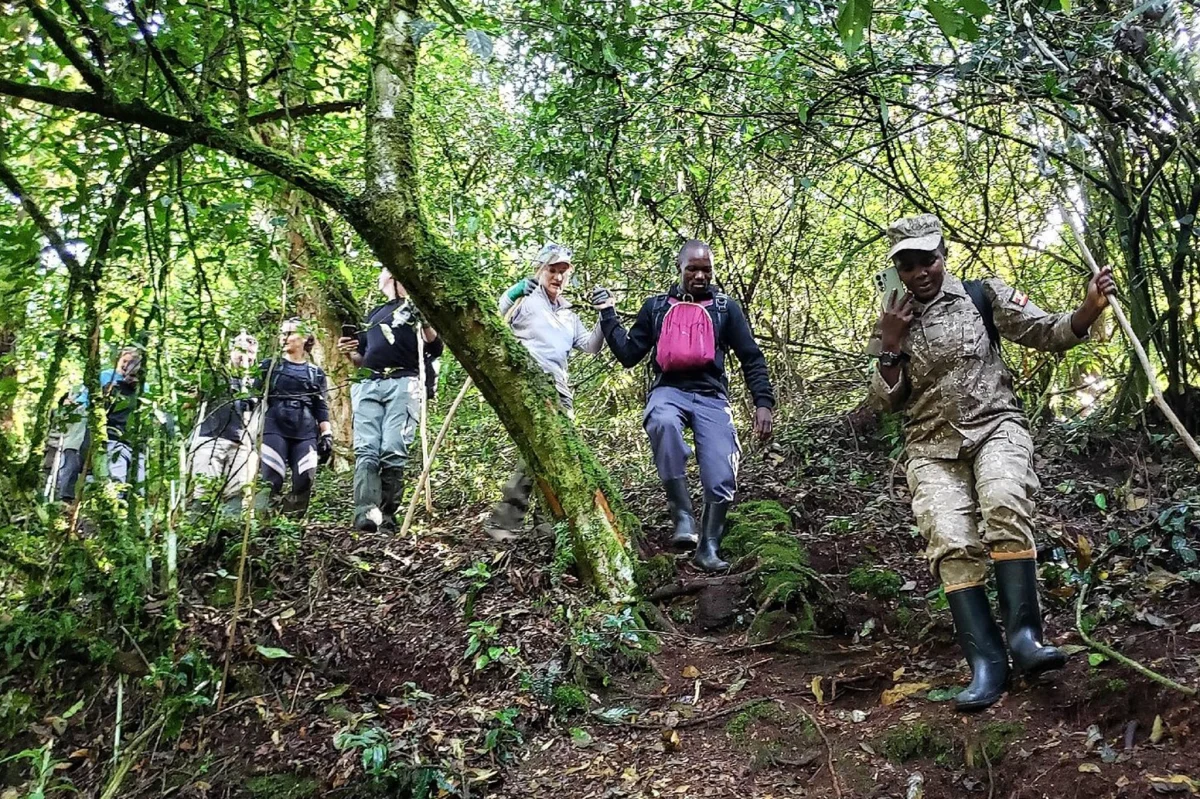
Your age, general health and level of physical fitness can influence how comfortably you handle a gorilla trekking adventure. Although visitors of different ages participate in gorilla trekking, a reasonable level of fitness is helpful, especially when hiking through mountainous forest terrain.
Altitude can also affect individuals differently. Some visitors may experience breathlessness, fatigue, headaches or dizziness when hiking at higher elevations. These symptoms can become more noticeable when combined with strenuous physical activity.
Bwindi Impenetrable National Park has an elevation ranging from approximately 1,160 to 2,607 metres above sea level. Its mountainous landscape, dense rainforest and steep slopes mean that visitors should be prepared for varying hiking conditions.
You do not necessarily need to be an experienced mountaineer to enjoy gorilla trekking. However, preparing your body for prolonged walking, climbing and descending can make the experience more comfortable.
How to Prepare for Gorilla Trekking at High Altitude
Physical preparation before your Uganda gorilla safari can make a significant difference. You can begin training several weeks before your scheduled trek, particularly if you have a sedentary lifestyle or rarely participate in outdoor activities.
Here are some useful ways to prepare:
Regular walking: Take daily walks and gradually increase your distance and walking time.
Hill climbing: Practise walking uphill and downhill to prepare your legs for Bwindi’s mountainous terrain.
Cardiovascular exercises: Activities such as cycling, jogging and swimming can help improve endurance.
Strength training: Strengthen your legs and core muscles to improve stability when navigating steep and uneven trails.
Stay hydrated: Drink sufficient water before and during your trek.
Eat energy-giving foods: Carry light snacks to help maintain your energy levels during longer hikes.
If you have a medical condition that could be affected by high altitude or strenuous exercise, consult your healthcare professional before travelling. Allowing time to acclimatise where practical may also help your body adjust to higher elevations.
Essential Items for a Comfortable Gorilla Trek
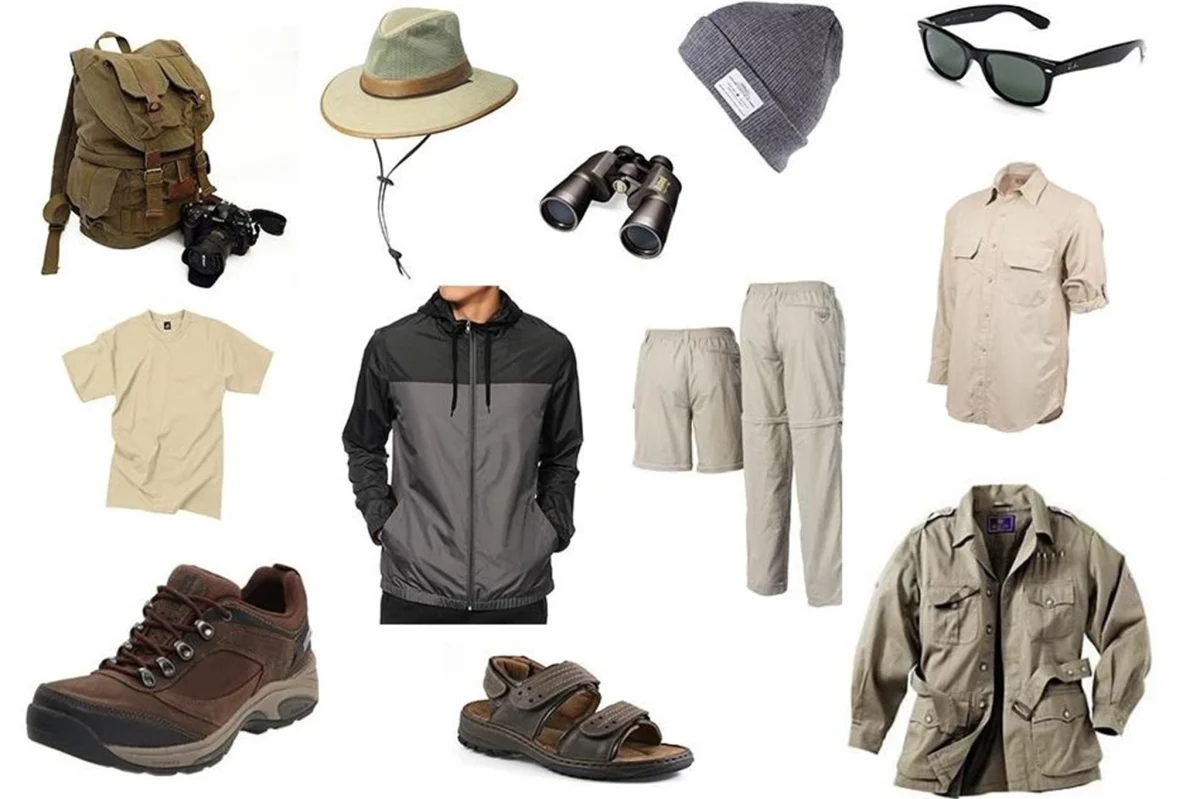
Besides physical preparation, carrying the right equipment can make your gorilla trekking experience much easier. Bwindi’s rainforest environment can be wet, muddy and slippery, particularly during the rainy seasons.
Consider bringing the following items:
Sturdy, waterproof hiking boots with good ankle support and grip.
Long-sleeved shirts and long trousers to protect against scratches and insects.
Waterproof jackets and rain trousers.
Gardening gloves for holding vegetation when navigating steep sections.
A walking stick, which can usually be obtained at the park headquarters.
A small backpack containing bottled water and energy-giving snacks.
A hat and other personal essentials.
Walking sticks are particularly useful when climbing or descending slippery slopes, helping you maintain balance and reduce pressure on your legs.
Final Thoughts on Bwindi Forest Altitude and Gorilla Trekking
Gorilla trekking in Bwindi Impenetrable National Park is an unforgettable wildlife experience, but it is important to appreciate the physical demands involved. The park’s elevation, steep slopes, thick rainforest and unpredictable gorilla movements all contribute to the adventure.
Although some treks are relatively short and straightforward, others require several hours of hiking through challenging terrain. Preparing through regular exercise, carrying appropriate hiking equipment and maintaining adequate hydration can help you enjoy the experience more comfortably.
With the right preparation and guidance from experienced park rangers, you can confidently explore Bwindi’s beautiful rainforest and experience the incredible privilege of encountering endangered mountain gorillas in the wild.