
Climate of Bwindi Forest: Temperature, Rainfall and Seasons
The climate of Bwindi Impenetrable Forest is generally tropical, cool and humid, with frequent rainfall throughout the year. Unlike many other destinations in Uganda, Bwindi experiences relatively mild temperatures because of its high elevation and extensive mountainous landscape.
Located in southwestern Uganda, Bwindi is famous for its dense tropical rainforest, mountain gorillas, rich biodiversity and beautiful green hills. Its weather is influenced by its proximity to the equator, elevation and forest vegetation.
The park experiences two main rainy seasons and two relatively dry seasons. However, rainfall can occur at any time, even during the months traditionally considered suitable for gorilla trekking.
Understanding Bwindi’s climate is important when planning a gorilla trekking safari, forest walks, birdwatching or other outdoor activities.
General Climate of Bwindi Forest
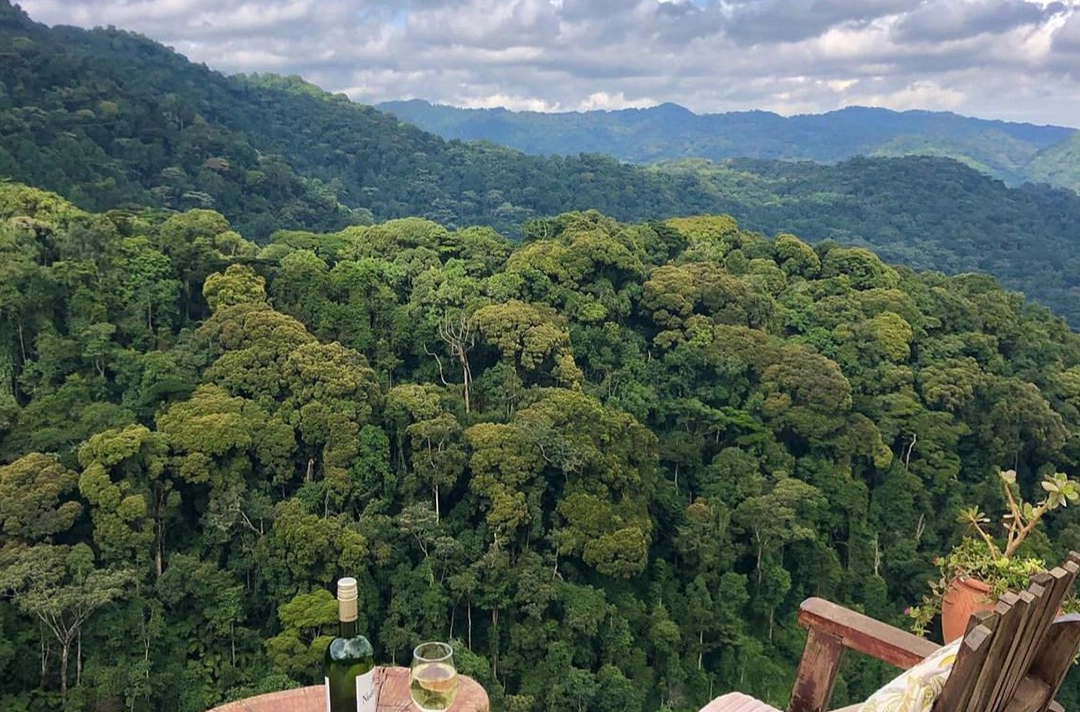
Bwindi has a tropical rainforest climate with high humidity, moderate daytime temperatures and cool mornings and evenings. The forest’s mountainous terrain creates different climatic conditions across its four main gorilla trekking sectors: Buhoma, Ruhija, Rushaga and Nkuringo.
The park’s elevation ranges from approximately 1,160 to 2,607 metres above sea level. Higher elevations generally experience cooler temperatures, while lower areas are relatively warmer.
Annual temperatures generally range between 7°C and 27°C, depending on elevation and weather conditions.
Key climatic characteristics include:
Tropical rainforest climate.
Frequent rainfall throughout the year.
Cool mornings and evenings.
Mild to warm daytime temperatures.
High humidity.
Two main rainy seasons.
Two relatively dry seasons.
Mist and fog, especially in the early morning.
Temperature in Bwindi Forest
Temperatures in Bwindi remain relatively moderate throughout the year. The forest rarely experiences extreme heat because of its high altitude, thick vegetation and mountainous surroundings.
During the day, visitors can expect comfortable temperatures suitable for gorilla trekking and nature walks. However, temperatures usually drop in the evening and during the night.
Daytime temperatures
Daytime temperatures commonly range between 20°C and 25°C, although warmer conditions may occur in lower-altitude areas.
Night-time temperatures
Night temperatures can fall to approximately 7°C to 15°C, depending on altitude and local weather conditions. Visitors staying in forest lodges should carry warm clothing, particularly during June and July.
Rainfall Patterns in Bwindi Forest
Rainfall is one of the most important features of Bwindi’s climate. The forest receives substantial precipitation throughout the year, supporting its dense vegetation, rivers, streams and diverse wildlife habitats.
Bwindi experiences two major rainfall periods:
Long rainy season: March to May.
Short rainy season: September to November.
Rainfall patterns can vary slightly from one year to another and between different parts of the forest.
During the rainy months, the forest becomes particularly lush, with fresh vegetation, flowing streams and mist-covered hills.
Wet Seasons in Bwindi Forest
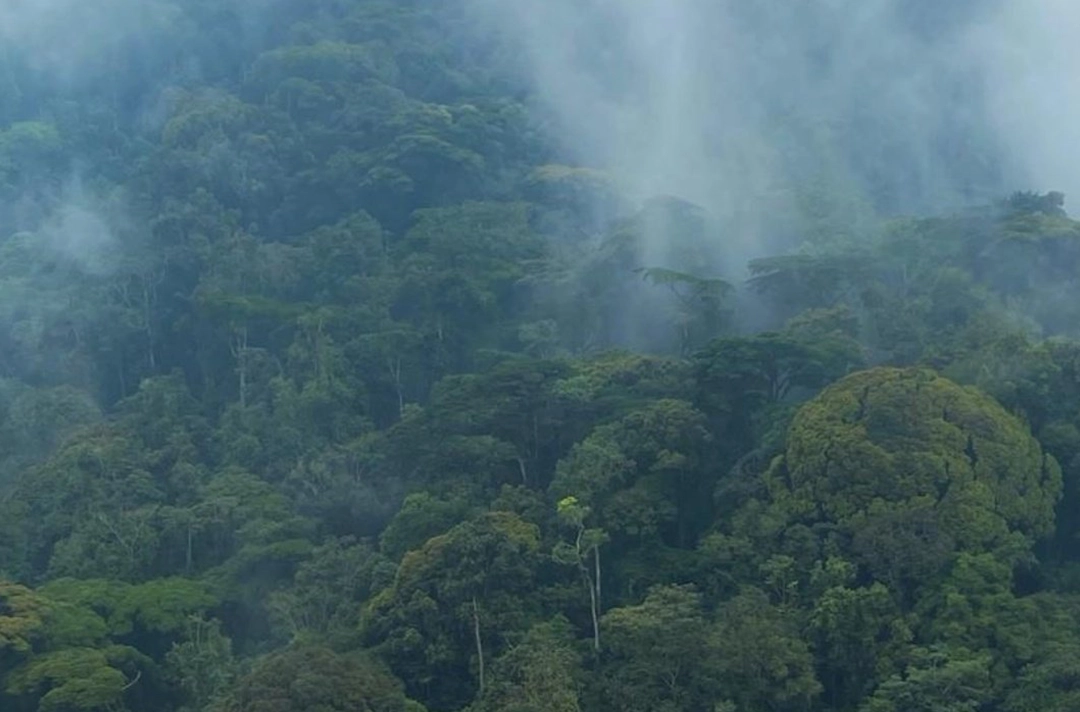
Bwindi experiences two main rainy seasons. These periods are important for maintaining the forest’s rich biodiversity and supporting the growth of its vegetation.
March to May: Long rainy season
March, April and May form the first major rainy period in Bwindi.
April is commonly one of the wettest months, with frequent rainfall that can make forest trails muddy and slippery.
During this period:
The forest becomes greener and more vibrant.
Waterfalls and streams carry more water.
Forest paths become slippery and challenging.
Gorilla trekking can take longer because of difficult walking conditions.
Photography opportunities are excellent because of the lush vegetation and atmospheric mist.
Although trekking can be more demanding, gorilla trekking remains possible throughout this season.
September to November: Short rainy season
The second rainy season generally occurs between September and November. November can experience particularly heavy and prolonged rainfall.
During these months, visitors should expect frequent showers, mist, wet hiking trails and high humidity.
The rainy season can be a rewarding time for nature lovers and photographers who enjoy Bwindi’s tropical rainforest scenery.
Dry Seasons in Bwindi Forest
Bwindi has two relatively dry periods that generally provide more comfortable conditions for outdoor activities.
June to August: Main dry season
June, July and August are popular months for gorilla trekking in Bwindi.
June and July are generally among the driest months, although August may receive some rainfall.
During this period:
Forest trails are generally less muddy.
Hiking conditions are often more manageable.
Rainfall is relatively reduced.
Visibility may improve during clear weather.
Gorilla trekking is generally more comfortable.
This is also a popular period for international visitors, so advance gorilla permit reservations are recommended.
December to February: Short dry season
December, January and February offer another relatively dry period.
These months are suitable for visitors planning gorilla trekking, birdwatching and forest nature walks.
The forest remains green because Bwindi is a tropical rainforest, and occasional showers are still possible.
January and February are generally favourable months for trekking because rainfall is often lower than during the main rainy seasons.