Gorilla trekking in Bwindi Impenetrable Forest is an extraordinary experience, offering a unique opportunity to witness the endangered mountain gorillas in their natural habitat. However, it’s important to note that this adventure can be physically demanding due to the challenging terrain and the unpredictability of the trek. The difficulty level of the trek largely depends on a few key factors, including the terrain, the location of the gorilla families, your fitness level, and the weather conditions. Here’s a breakdown of the challenges and what trekkers can expect.
Terrain and Physical Demands
Bwindi Impenetrable Forest is known for its rugged and dense terrain, which is one of the reasons why the trek can be physically demanding. The forest is characterized by steep slopes, thick vegetation, muddy paths, and uneven ground, making it a challenging environment to navigate. Depending on the location of the assigned gorilla family, trekkers may need to ascend or descend hills, traverse slippery paths, and navigate through dense undergrowth.
Trekking in Bwindi is not for the faint-hearted. The physical demands of the trek can range from moderate to strenuous, depending on the altitude and the specific family group you’re assigned to visit. Some families reside at higher altitudes, meaning the trek to see them may involve steeper climbs, while others are located closer to the park boundary, offering a less challenging hike.
The trek itself can last anywhere between one and five hours, although it’s important to note that the distance is not as important as the terrain itself. The elevation changes and challenging ground conditions can make even a short distance feel exhausting.

Weather and Climate
Bwindi Impenetrable Forest lies in a tropical climate zone, meaning it experiences high humidity and rainfall throughout the year. This can make the trek even more difficult, as rain can turn the paths into slippery, muddy tracks. The forest floor becomes soft and boggy during rainy seasons, requiring trekkers to be cautious and steady in their steps.
Trekking in the rain is common, as the region experiences rainfall at any time of the year. Therefore, it’s crucial to be prepared for wet conditions, regardless of the season. The humidity can also take a toll, especially for trekkers who are not accustomed to hot and sticky weather.
Fitness Levels and Trekking Options
The difficulty of the trek can also depend on your own physical fitness. While no prior experience with hiking is necessary, it’s important to be in good health and have a reasonable level of fitness to handle the trek. The trek can be physically demanding, and trekkers should be prepared to walk long distances and endure physical exertion.
However, Bwindi is mindful of varying fitness levels and has made efforts to make the trek accessible to more people. For example, when you book your gorilla trekking safari, the tour operator or park staff will assess your fitness and assign you to the most suitable gorilla family. If you have mobility concerns or prefer a less strenuous trek, some families are located in areas that require less intense physical effort.
Additionally, the park offers alternative options for those who may struggle with the steep terrain. Porters can be hired to assist trekkers by carrying bags, offering support, and helping on more difficult sections of the trail. Guides are also always on hand to provide encouragement and advice during the trek, ensuring that safety is a priority for everyone involved.
Challenges and Rewards
While the trek can be physically challenging, the rewards far outweigh the difficulties. The moment you encounter a mountain gorilla family, all the fatigue and effort will seem insignificant. There is no feeling quite like standing in the presence of these incredible creatures, observing their behavior, and learning about their way of life in the wild.
For many trekkers, the moment of encountering a gorilla family is a life-changing experience, one that makes the difficulty of the trek worthwhile. The physical exertion, the thrill of the jungle adventure, and the awe of seeing the gorillas up close make every step of the trek rewarding.
Tips for a Successful Gorilla Trek
Prepare Physically: While no extensive training is required, it’s wise to engage in regular physical activity before your trek to improve stamina and endurance.
Pack the Right Gear: Wear comfortable, moisture-wicking clothing and sturdy hiking boots. It’s essential to bring a rain jacket, a hat, and gloves for protection against the elements, as well as a walking stick for extra support on steep or muddy paths.
Stay Positive: Gorilla trekking is unpredictable. There may be tough moments during the hike, but keeping a positive attitude will help you push through.
Hire a Porter: If you’re worried about the physical demands, consider hiring a porter for support. It’s a great way to help the local community while also easing your trek.
Consult with Your Tour Operator: Make sure to communicate any physical concerns or special requests with your tour operator, who can help you plan accordingly and ensure you’re assigned to an appropriate gorilla family.
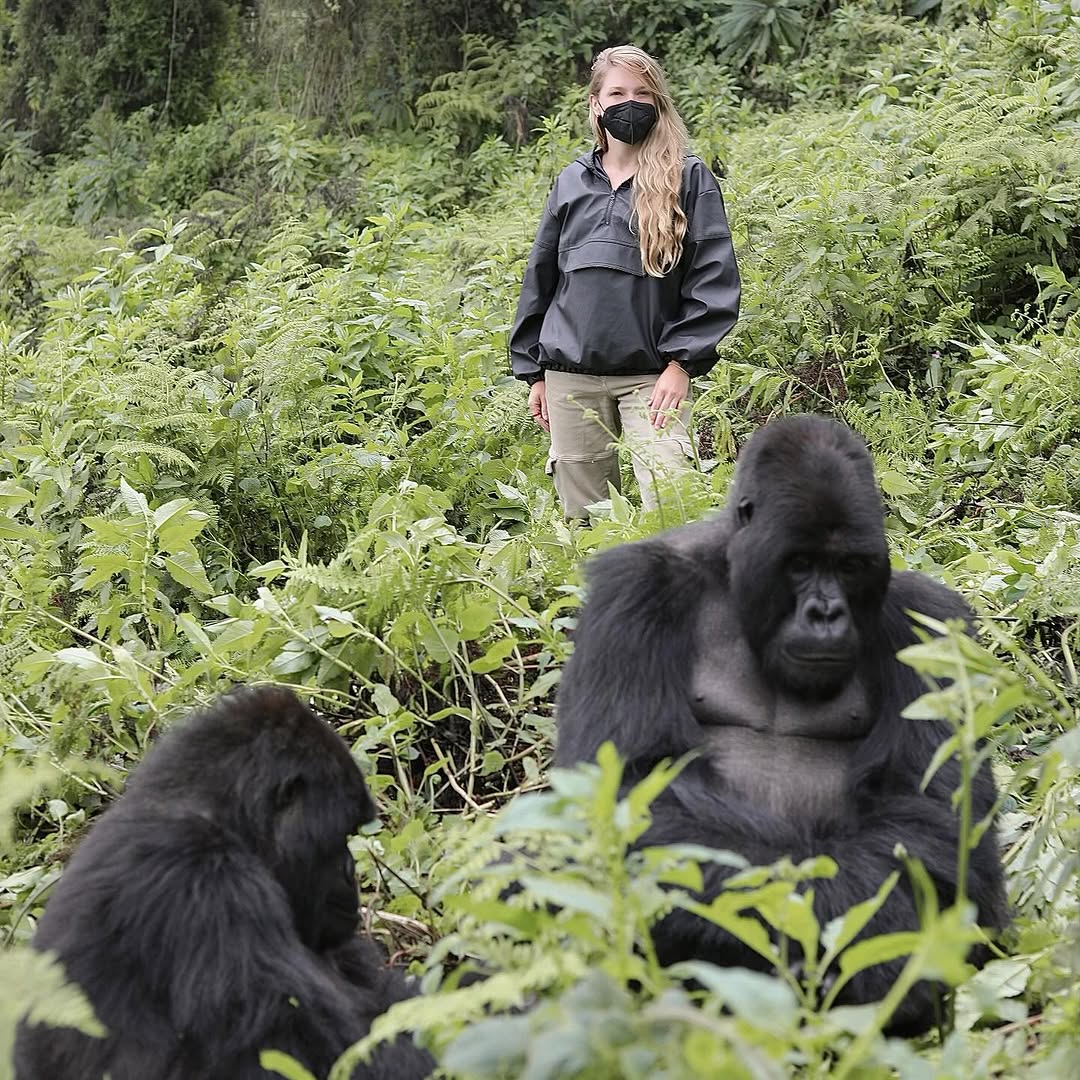
In conclusion, while gorilla trekking in Bwindi Impenetrable Forest can be physically challenging, the unique opportunity to witness mountain gorillas in their natural habitat is a deeply rewarding experience. With proper preparation, the trek can be an unforgettable adventure that combines physical exertion with the thrill of a lifetime. Whether you’re a seasoned hiker or a first-time trekker, the encounter with these majestic creatures is well worth the effort.