
Top Luxury Gorilla Trekking Lodges in Rwanda
October 17, 2025
Nyungwe House by One & Only
October 26, 2025Nyungwe Forest National Park: Africa’s Largest Protected Montane Rainforest
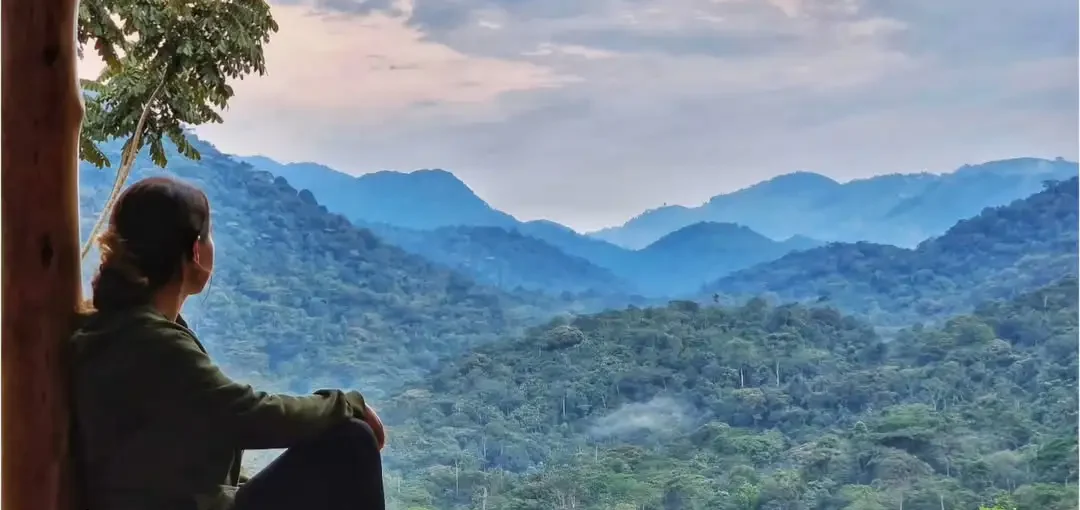
Nestled in the southwestern corner of Rwanda, Nyungwe Forest National Park is one of Africa’s oldest and most biologically rich rainforests. Stretching over 1,019 square kilometers, this montane paradise forms the largest protected high-altitude tropical rainforest on the continent. It lies in the Albertine Rift — a biodiversity hotspot known for its lush vegetation, rugged mountains, and incredible array of wildlife.
Nyungwe is more than just a forest; it’s a living museum of natural history, having survived the last Ice Age when most other African forests vanished. Its mist-covered mountains, ancient trees, and pristine waterfalls create a timeless wilderness that captivates every traveler who ventures into its heart.
An Ancient Forest Born of Time and Resilience
Nyungwe Forest’s story stretches back thousands of years — a tale of endurance, survival, and renewal. Scientists believe that Nyungwe is one of the few rainforests in Africa that survived the last Ice Age, which ended around 10,000 years ago. While vast forests across the continent withered under the cold and dry climate, Nyungwe’s high-altitude terrain and consistent rainfall allowed it to endure as a green refuge in the heart of East Africa.
This ancient continuity makes Nyungwe one of the oldest rainforests in Africa, estimated to be over a million years old. Its longevity has enabled countless species of plants and animals to evolve in isolation, giving rise to extraordinary biodiversity — much of it found nowhere else on Earth.
For centuries, the forest was regarded as sacred by local communities who lived along its edges. It was seen as a place of spirits and mystery, a source of rain and rivers, and a home for ancestral guardians. The people relied on its waters, herbs, and fertile soils, yet they also respected its boundaries — an early form of conservation deeply rooted in cultural tradition.

Colonial Era: Discovery, Mapping, and Exploitation
During the German colonial period in the late 19th century, Nyungwe began to appear on European maps for the first time. Explorers and naturalists marveled at its dense vegetation, cool climate, and abundant wildlife. The forest was described as a “vast green mountain ocean” — a phrase that still captures its majesty today.
Later, under Belgian rule (1916–1962), Nyungwe’s value as a timber and resource reserve drew attention. Logging, hunting, and the establishment of tea plantations along its fringes began to threaten its ecological balance. Roads were cut through the forest to access wood and minerals, while settlers cleared land for agriculture.
Yet even during this period of exploitation, some early conservationists recognized Nyungwe’s uniqueness. In the 1930s, Belgian scientists proposed protecting parts of the forest for scientific research and watershed conservation. Although protection was not yet formalized, this marked the first official acknowledgment of Nyungwe’s ecological importance.
Post-Independence: Early Conservation Efforts
After Rwanda gained independence in 1962, the government began to view Nyungwe not only as a natural resource but as a national treasure. In 1973, the Rwandan government designated Nyungwe as a natural forest reserve, restricting logging and hunting within its boundaries.
This declaration was a major turning point. Researchers and conservationists started documenting the forest’s exceptional biodiversity — from rare primates like the owl-faced monkey to hundreds of endemic birds, orchids, and butterflies. The scientific discoveries of the 1970s and 1980s helped build the case for full protection of the forest.
However, the following decades also brought challenges. Population growth around the forest led to increased pressure for farmland, while poaching and illegal timber cutting continued. Fires in the early 1990s, many set intentionally, destroyed significant sections of the forest’s periphery. The political instability of that era made conservation efforts difficult to sustain.
A New Era of Protection: Nyungwe Becomes a National Park
Following the end of the Rwandan Genocide in 1994, Rwanda’s new government prioritized environmental recovery and sustainable development. Recognizing Nyungwe’s critical role as a watershed for the Congo and Nile River basins, conservation efforts were reignited.
In 2004, Nyungwe was officially declared a National Park, giving it the highest level of protection under Rwandan law. This transformed it into Africa’s largest protected montane rainforest, covering over 1,019 square kilometers of high-altitude tropical forest, bamboo thickets, swamps, and grasslands.
With this milestone, Nyungwe became a cornerstone of Rwanda’s conservation vision — a living emblem of renewal and resilience. Extensive patrols were established, research programs expanded, and eco-tourism initiatives like chimpanzee trekking and the canopy walkway were introduced to create sustainable revenue for local communities.
Partnerships and Modern Conservation
In 2020, Rwanda entered a 20-year management partnership with African Parks, a non-profit organization renowned for its success in restoring Africa’s protected areas. This collaboration brought international expertise, advanced monitoring systems, and increased funding for conservation and community projects.
Under African Parks’ management, efforts have intensified to protect wildlife, curb illegal activities, and support nearby communities through education and sustainable livelihoods. Roads, visitor centers, and ranger stations have been upgraded, making Nyungwe one of the best-managed tropical forests in Africa today.
In recognition of its ecological and cultural importance, Nyungwe Forest National Park was inscribed as a UNESCO World Heritage Site in 2023, officially placing it among the world’s most treasured natural areas. This status underscores its global significance as a biodiversity hotspot and climate stabilizer.
Today, Nyungwe Forest stands as a symbol of Rwanda’s transformation and commitment to conservation. Its lush canopy shelters chimpanzees, colobus monkeys, rare birds, and thousands of plant species — many of which are found nowhere else. Its rivers feed millions downstream, and its trails invite visitors from around the world to experience nature at its purest.
What makes Nyungwe Africa’s largest protected montane rainforest is not only its size but its story of protection, perseverance, and coexistence. It has evolved from an ancient refuge to a beacon of modern conservation — proving that even in a world of rapid change, wild places can endure when people choose to protect them.
Wildlife of Nyungwe Forest
Nyungwe Forest National Park is a living sanctuary — a vibrant, green world teeming with life. As one of Africa’s oldest and most biologically diverse rainforests, it shelters a breathtaking variety of creatures, many of which are found nowhere else on Earth. From playful primates leaping through the canopy to colorful birds fluttering among ancient trees, Nyungwe’s wildlife reveals the true magic of Rwanda’s wilderness.

Primates
Nyungwe Forest is often called “The Land of Primates”, and for good reason. The park is home to 13 different primate species, making it one of the most diverse primate habitats in East Africa.
Chimpanzees
The most famous residents are the chimpanzees (Pan troglodytes schweinfurthii) — our closest living relatives. Around 500 individuals live within Nyungwe and the nearby Cyamudongo Forest. Guided chimpanzee treks take visitors deep into the forest at dawn, where the air fills with the sounds of drumming, pant-hoots, and high-pitched calls as families of chimps awaken and begin their day. Watching them feed, groom, and play is one of the most emotional wildlife encounters in Africa.
Angolan Colobus Monkeys
Equally mesmerizing are the Angolan black-and-white colobus monkeys, which roam the forest in troops that can number up to 300 individuals — one of the largest known primate troops on the continent. Their flowing white mantles and long tails contrast beautifully against the emerald foliage as they leap gracefully from branch to branch.
L’Hoest’s Monkeys and Other Rare Species
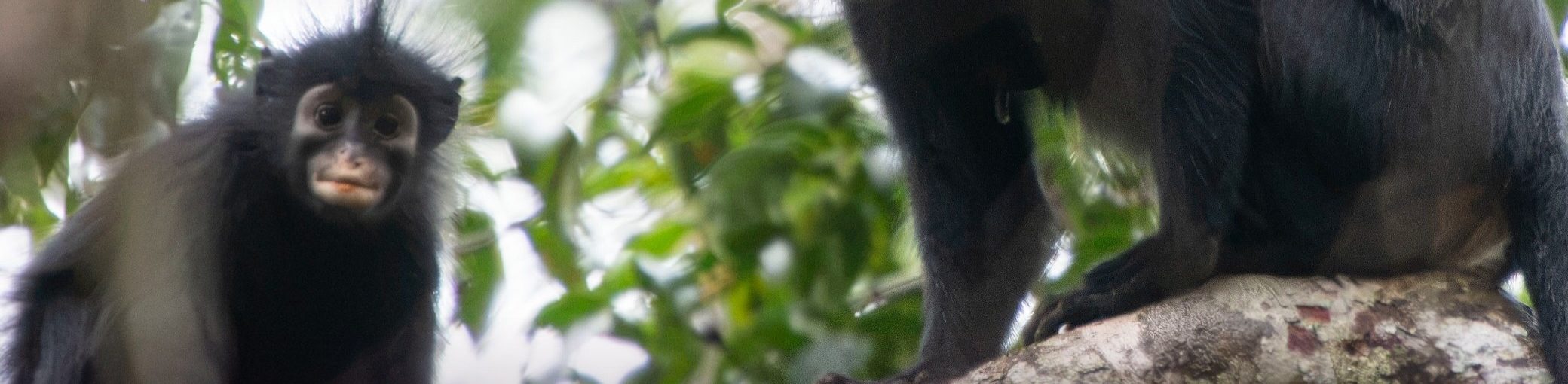
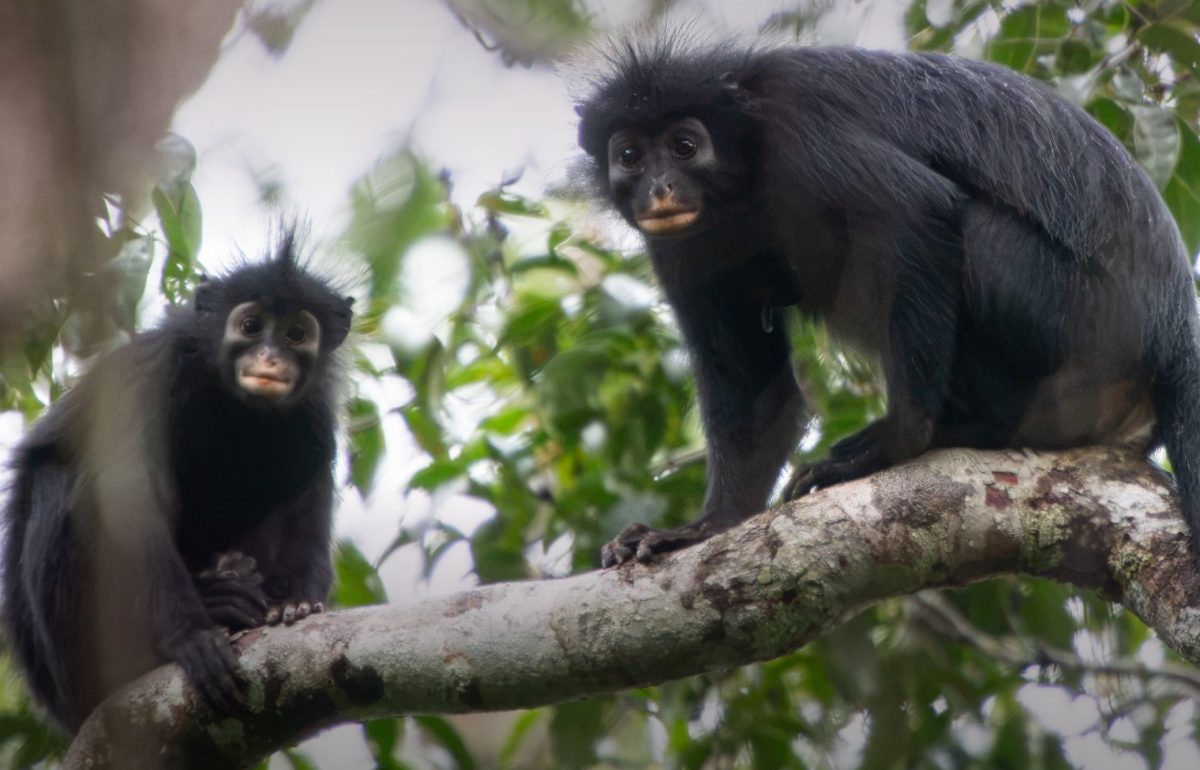
Nyungwe is also one of the best places in Africa to see the L’Hoest’s monkey, a shy and beautiful species characterized by its dark coat and white beard. Other primates include the Owl-faced monkey (Hamlyn’s monkey), silver monkey, blue monkey, red-tailed monkey, Dent’s monkey, and the gray-cheeked mangabey.
Each species has adapted to a specific layer of the forest — some thrive in the upper canopy, while others prefer the lower, denser understory. Together, they form a dynamic web of life that gives Nyungwe its distinct character.
Beyond its primates, Nyungwe shelters over 85 mammal species, many of them elusive and nocturnal. You might not always see them, but their tracks, calls, and rustling movements tell of the wildness that still thrives here.
Small Antelopes and Forest Dwellers
Among Nyungwe’s hidden mammals are the bushbuck, duikers, and giant forest hogs, which occasionally appear along forest trails or near water sources. The serval and African civet roam silently through the undergrowth, while genets and mongoose dart across the forest floor at dusk.
In the higher elevations, lucky visitors might spot the golden cat — one of Africa’s most secretive and rare carnivores. Its presence is a reminder of how untouched and ecologically complete Nyungwe still is.
Birdlife: A Symphony in the Trees
Nyungwe is a paradise for bird lovers, boasting over 300 bird species, including 29 endemic to the Albertine Rift. The forest’s varying altitudes and habitats — from bamboo zones to swampy valleys — provide perfect niches for countless species.
Colorful highlights include:
Ruwenzori turaco – with its striking crimson wings and iridescent green plumage.
Grauer’s rush warbler – one of Africa’s rarest and most localized birds.
Regal sunbird – a glittering jewel often seen feeding on nectar from forest flowers.
Dusky crimsonwing, bar-tailed trogon, and red-collared mountain babbler – sought-after species for serious birders.
The dawn chorus in Nyungwe is an unforgettable experience: a symphony of chirps, whistles, and trills that echo across the misty valleys as the forest wakes up to a new day

Things to Do in Nyungwe Forest National Park

Nyungwe Forest National Park is more than a forest — it’s an adventure waiting to unfold in the mist-covered mountains of southwestern Rwanda. Every trail, canopy bridge, and cultural encounter offers a new way to experience Africa’s largest protected montane rainforest. Whether you seek the thrill of tracking chimpanzees, the serenity of hiking through ancient trees, or the wonder of watching rare birds, Nyungwe has something unforgettable for every traveler.
1. Chimpanzee Trekking
Chimpanzee trekking is the park’s most popular and emotional experience. Nyungwe is home to two habituated chimpanzee groups — one in Uwinka and another in Cyamudongo Forest, a smaller satellite forest nearby.
Treks begin early in the morning, often before sunrise, as you follow the calls of the chimps deep into the forest. The experience of finding them — hearing their loud pant-hoots echoing through the mist — is both thrilling and humbling. Watching them swing through trees, groom each other, or simply rest in the canopy offers an intimate glimpse into the behavior of our closest relatives in the animal kingdom.
Tip: Trekking can take 2–5 hours, depending on the chimpanzees’ movements, so good hiking shoes and rain gear are essential.
2. Colobus Monkey Tracking
Nyungwe hosts some of the largest troops of Angolan black-and-white colobus monkeys in Africa — sometimes up to 300 individuals moving together. A guided colobus tracking experience gives visitors the chance to walk through the forest and observe these graceful primates as they leap from branch to branch, their long white tails streaming behind them like ribbons.
This activity is less strenuous than chimp trekking and is perfect for families and travelers who want to see wildlife up close in a serene forest setting.
3. The Canopy Walkway
Suspended 70 meters above the forest floor, the Nyungwe Canopy Walkway is one of East Africa’s most iconic experiences. This 160-meter bridge stretches between giant trees, offering panoramic views of the forest canopy, misty hills, and distant tea plantations.
As you walk across the swaying bridge, you can spot monkeys, birds, and butterflies fluttering beneath you — an unforgettable perspective that few places in Africa can offer. It’s both thrilling and peaceful, combining adventure with awe-inspiring natural beauty.
Best Time: Early morning or late afternoon for cooler temperatures and soft, golden light for photography.
4. Hiking and Nature Trails
Nyungwe boasts over 130 kilometers of well-maintained hiking trails, catering to all fitness levels and interests. Each trail reveals a different side of the forest’s magic — waterfalls, orchids, butterflies, and breathtaking viewpoints.
Some of the most popular trails include:
Igishigishigi Trail (2.1 km): A short, scenic walk leading to the canopy walkway — perfect for beginners.
Isumo Waterfall Trail (10.6 km): A moderate hike through fern-filled valleys leading to a spectacular 17-meter waterfall.
Bigugu Trail (13.2 km): A challenging climb to the park’s highest peak (2,950 meters) with views over Lake Kivu and the Congo.
Kamiranzovu Marsh Trail (6 km): An easy loop through Rwanda’s largest wetland inside the forest — rich in birdlife and unique vegetation.
Each step immerses you in the sights, sounds, and scents of the ancient rainforest — from the call of the turaco to the rustle of colobus monkeys above.
5. Bird Watching
With over 300 bird species, including 29 Albertine Rift endemics, Nyungwe is one of Africa’s premier birding destinations. Expert birding guides can help you spot rare species such as:
Ruwenzori turaco
Grauer’s rush warbler
Red-collared mountain babbler
Dusky crimsonwing
Regal sunbird
The best birding spots are around the Gisakura area, Kamiranzovu Marsh, and Uwinka Visitor Centre. Birding is especially rewarding in the early mornings when the forest comes alive with song.
6. Cultural Encounters
Beyond its wildlife, Nyungwe is surrounded by vibrant communities that offer rich cultural experiences. You can visit the Gisakura Tea Estate, where locals demonstrate the traditional process of tea cultivation and tasting.
Alternatively, enjoy a community walk to learn about traditional Rwandan life — from banana beer brewing to basket weaving and local dance performances. These experiences not only deepen your connection to Rwandan culture but also support community-based tourism and conservation.
7. The Isumo Waterfall
Deep within the lush heart of Nyungwe lies the Isumo Waterfall, one of the park’s most beautiful natural features. The trail to the waterfall winds through tea plantations, bamboo groves, and dense forest, culminating at a roaring cascade surrounded by ferns and mist. It’s a tranquil and refreshing spot that perfectly captures the essence of Nyungwe’s untouched beauty.
8. Guided Forest Walks
For nature enthusiasts, guided walks offer insights into Nyungwe’s fascinating ecology. Expert rangers explain the roles of plants, fungi, insects, and animals in maintaining the balance of this ancient ecosystem. You’ll learn how primates disperse seeds, how orchids grow on trees, and how the forest influences Rwanda’s rainfall and rivers.
Night walks, though limited, can sometimes be arranged — offering chances to see nocturnal creatures like galagos, bushbabies, and forest genets.
9. Photography and Nature Retreats
For photographers and nature lovers, Nyungwe is pure inspiration. The forest’s misty mornings, towering trees, and playful primates create endless opportunities for wildlife and landscape photography. The combination of high-altitude light and dramatic topography gives the forest an ethereal beauty rarely found elsewhere in Africa.
Many visitors also come for wellness and mindfulness retreats, using the serene environment for yoga, meditation, or simply to reconnect with nature’s rhythm.
How to Get to Nyungwe Forest National Park
Nyungwe Forest National Park lies in southwestern Rwanda, along the border with Burundi and near Lake Kivu. Despite its remote and wild setting, it is easily accessible thanks to Rwanda’s excellent road network and well-maintained infrastructure. Whether you’re traveling from Kigali, Volcanoes National Park, or Rusizi, the journey to Nyungwe is as scenic as it is rewarding — a road trip through the “Land of a Thousand Hills.”
1. From Kigali to Nyungwe Forest
Most travelers begin their journey in Kigali, Rwanda’s clean and modern capital. The distance from Kigali to Nyungwe is about 225 kilometers (140 miles), and the drive takes approximately 5 to 6 hours depending on your pace and stops.
Route:
Kigali → Huye (Butare) → Nyamagabe → Uwinka → Gisakura
This route passes through picturesque countryside, rolling tea plantations, and charming Rwandan towns. You can make enriching stops along the way:
Huye (Butare): Visit the Ethnographic Museum, one of the finest in East Africa, to learn about Rwanda’s cultural heritage.
Nyamagabe: Gateway to Nyungwe, surrounded by green hills and villages.
Gisakura: The park’s main tourism area, near most lodges and the canopy walkway.
3. From Volcanoes National Park to Nyungwe
For travelers combining gorilla trekking in Volcanoes National Park with primate adventures in Nyungwe, the journey offers a fascinating cross-country safari experience. The drive from Volcanoes (Musanze or Kinigi) to Nyungwe takes about 7 to 8 hours, covering roughly 300 kilometers.
Route Options:
Musanze → Kigali → Huye → Nyungwe (recommended for smoother roads)
Musanze → Rubavu → Kibuye → Rusizi → Nyungwe (scenic route along Lake Kivu, known as the Congo Nile Trail)
The second option is longer but incredibly beautiful, with winding roads offering lake views, fishing villages, and mountain landscapes — perfect for travelers who enjoy slow scenic drives.

4. By Air: Flights to Nyungwe
For those who prefer to skip the long drives, domestic flights are available through RwandAir from Kigali International Airport to Kamembe Airport in Rusizi, near Lake Kivu.
The flight takes about 40 minutes.
From Kamembe, it’s a 1-hour drive to Nyungwe (Gisakura area).
This is the quickest and most comfortable way to reach Nyungwe, especially for travelers on tight schedules or luxury safaris.
Where to Stay in Nyungwe Forest National Park
Finding the perfect place to stay in Nyungwe Forest National Park is part of the adventure itself. Whether you’re seeking world-class luxury, mid-range comfort, or a simple guesthouse close to the forest trails, Nyungwe offers accommodations that blend seamlessly with nature. Most lodges are nestled within tea plantations or on the park’s edge, offering panoramic views of misty mountains and rainforest canopies. Below are some of the best places to stay during your visit.
Luxury Accommodation – One&Only Nyungwe House
For travelers seeking exclusivity and indulgence, One&Only Nyungwe House is the undisputed jewel of Rwanda’s forest lodges. Located on the Gisakura Tea Estate at the edge of the forest, this luxurious retreat offers unrivaled comfort amid pristine nature. Each suite and room is designed with contemporary Rwandan style, featuring private decks overlooking the forest, cozy fireplaces, and elegant furnishings.
Guests can unwind at the infinity pool with sweeping views of the treetops, enjoy gourmet cuisine made from local ingredients, or rejuvenate with wellness treatments at the spa. One&Only Nyungwe House is not just a place to stay—it’s a complete experience of serenity and sophistication, perfect for honeymooners and luxury nature lovers.

Mid-Range Comfort – Nyungwe Top View Hill Hotel
If you’re looking for a balance between comfort and value, Nyungwe Top View Hill Hotel is a wonderful option. Perched on one of the highest hills in the Nyungwe region, it lives up to its name with breathtaking 360-degree views of the forest and Lake Kivu in the distance. The hotel offers spacious cottages with private verandas, en-suite bathrooms, and a warm, homely atmosphere.
Its restaurant serves delicious Rwandan and international dishes, while the bar and lounge area are perfect for relaxing after a day of trekking or birding. The lodge’s elevated position also makes it ideal for photography enthusiasts hoping to capture sunrise and sunset over the rainforest canopy.
Eco-Friendly Experience – Nyungwe Nziza Eco Lodge
For those who prefer an eco-conscious and authentic stay, Nyungwe Nziza Eco Lodge in Kitabi provides the perfect retreat. Built with sustainable materials and designed to blend with the environment, this lodge offers simple but charming rooms, tented accommodations, and campsites overlooking rolling tea plantations.
The lodge supports local communities and offers cultural interactions such as traditional Rwandan dance performances and guided tea tours. It’s a favorite for budget travelers who still want comfort, scenic views, and proximity to the park’s main entrance.
Budget-Friendly Stay – Gisakura Guest House
Located just outside Nyungwe Forest near the Gisakura Tea Estate, Gisakura Guest House is one of the most affordable and accessible options for travelers on a tighter budget. The guesthouse offers clean rooms, basic amenities, and a friendly, welcoming atmosphere. It’s only a few minutes’ drive from the park’s main gate, making it a convenient base for chimpanzee tracking, canopy walks, or hiking adventures.
Though simple, Gisakura Guest House is known for its warm hospitality and helpful staff who can assist with organizing park activities. It’s a great choice for backpackers, researchers, or anyone looking for a quiet, budget stay close to nature.