Bwindi Forest Rules & Regulations
Bwindi Impenetrable National Park is one of the last sanctuaries for the critically endangered mountain gorillas. To ensure the safety of both visitors and gorillas — and to preserve the fragile ecosystem — the park authorities have put in place strict rules and regulations. These guidelines are designed to minimize human impact on the environment, reduce the risk of disease transmission, and ensure that tourism in Bwindi remains sustainable for generations to come. All visitors are required to adhere to these rules at all times during their gorilla trekking adventures.

On the Way to the Gorillas
Before setting out to find the gorillas, visitors must follow a few important protocols:
Hygiene: Always wash your hands thoroughly before starting your trek. Cleanliness is crucial to protect the gorillas from human-borne diseases.
Group Size Limit: Only eight (8) visitors are allowed to trek and visit a particular gorilla family per day. This limitation helps minimize behavioral disturbances and reduces the risk of disease transmission.
Tracking the Gorillas: You will begin your trek from the last point where the gorillas were seen the previous day. Along the way, you’ll follow signs such as nesting sites to locate the group.
Quiet Trekking: Maintain low voices during the trek. Keeping noise levels down not only enhances your chances of spotting gorillas but also allows you to enjoy the forest’s incredible birdlife and other wildlife.
Leave No Trace: Do not leave any rubbish behind. Carry out whatever you bring into the forest to preserve its pristine condition.
When You Are with the Gorillas
Once you find the gorilla group, special rules apply to ensure a respectful and safe interaction:
Low Voices: Continue speaking in low tones to avoid startling the gorillas.
Group Formation: Stay together in a tight group at all times when near the gorillas.
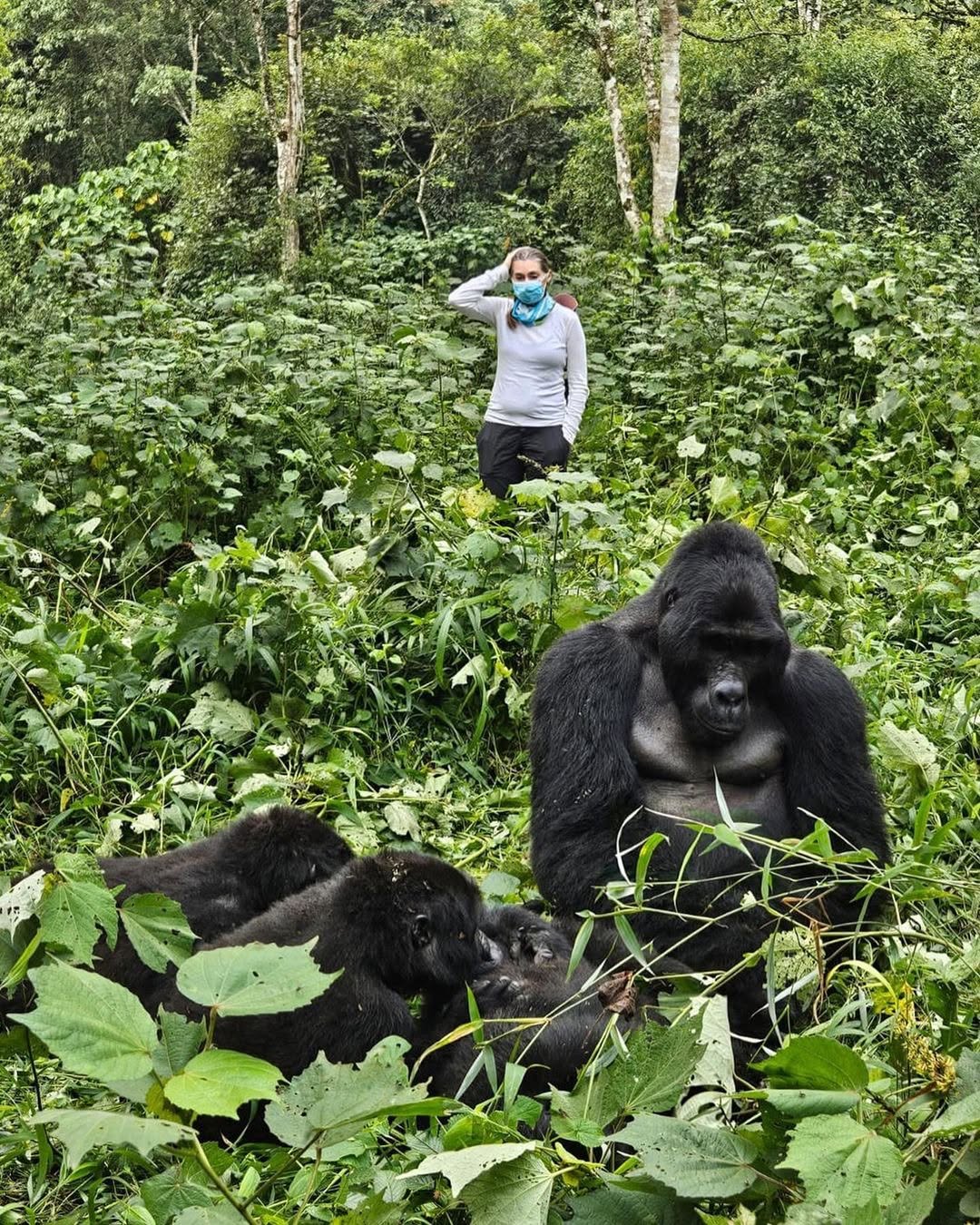
Safe Distance: Maintain a minimum distance of 7 meters (about 21 feet) from the gorillas to reduce the risk of disease transmission.
No Eating or Drinking: Eating, drinking, or smoking near the gorillas is prohibited to avoid attracting their attention or spreading germs.
Handling Gorilla Encounters: If a gorilla charges, follow the guide’s instructions. Crouch down slowly, avoid direct eye contact, and never run.
No Touching: Touching the gorillas is strictly forbidden. They are wild animals and must be respected as such.
Photography Rules: Flash photography is not allowed. When taking pictures, move slowly and carefully to avoid alarming the animals.
Time Limit: Visitors are allowed only one hour with the gorillas to minimize stress and human impact. If the gorillas become nervous, the guide may end the visit earlier.
Departure Etiquette: After leaving the gorillas, continue to speak softly until you are at least 200 meters away.
General Health Rules
Mountain gorillas are highly susceptible to human illnesses. The following health precautions are mandatory:
Stay Home if Sick: If you are feeling ill or show symptoms of a contagious disease on the day of the trek, please voluntarily stay behind. Park authorities may arrange an alternative trek or refund you according to park policies.
Coughing/Sneezing Etiquette: If you must cough or sneeze while near the gorillas, turn your head away and cover your mouth and nose to prevent the spread of germs.
Maintain Distance: Always stay at least 7 meters away from the gorillas for their safety.
Respect Time Limits: Limit your interaction time to one hour to avoid stressing the animals and to reduce the risk of transmitting diseases.
Toilet Use: If you need to relieve yourself in the forest, ask a guide to dig a hole for you, and ensure you cover it properly afterward.
No Littering: Absolutely no litter should be left in the forest.
Why You Should Adhere to the Rules
Following these gorilla trekking rules and regulations plays a vital role in the conservation of mountain gorillas and their habitat. Sustainable tourism ensures that future generations can continue to enjoy the beauty and wonder of Bwindi Impenetrable National Park. A portion of your gorilla permit fee goes directly toward community development projects and conservation efforts, helping local communities and protecting natural resources.
By respecting the park rules, you help safeguard not only the mountain gorillas but also the entire delicate ecosystem they call home. Remember: Take nothing but photographs, leave nothing but footprints, and kill nothing but time. Together, we can promote responsible and sustainable tourism in Bwindi and other great ape destinations across Africa.