After finalizing everything with your tour operator, the Gorilla trekking experience awaits you. A deeply transformative journey that brings you face to face with one of the world’s most magnificent and endangered creatures — the mountain gorilla. Each phase of the trek, from your early morning preparations to the moment you return from the forest, is filled with a sense of adventure, excitement, and profound awe. Understanding what happens during a gorilla trek can help you prepare mentally and physically, ensuring you savor every part of this once-in-a-lifetime experience.

Early Morning Start and Preparation
The day of your gorilla trek begins early, usually just before sunrise. Most lodges near the gorilla trekking parks serve a hearty breakfast around 5:30 to 6:00 AM, allowing you time to fuel up for the journey ahead. After breakfast, trekkers gather their essential items, including trekking permits, waterproof clothing, sturdy hiking boots, gloves for gripping vines and branches, and a small backpack packed with water, snacks, and a camera with no flash. It is important to dress in muted, earth-toned colors to blend in with the forest environment and avoid startling wildlife. A walking stick, often provided by your lodge or the park, becomes an invaluable aid during the trek, especially on steep or slippery paths. Many trekkers also choose to hire a porter, not only to help carry their backpack but also to assist with tricky parts of the trail, offering much-needed support. By around 7:00 AM, you depart for the park headquarters, the starting point of your thrilling adventure.
Registration and Briefing at Park Headquarters
Upon arrival at the park headquarters, you will go through a registration process where rangers verify your trekking permit and passport details. After registration, everyone gathers for a comprehensive briefing led by experienced park guides. This session is essential as it covers the dos and don’ts of gorilla trekking, focusing heavily on safety, conservation practices, and respect for the gorillas’ space. Rangers also use this opportunity to assign groups to specific gorilla families based on fitness levels, preferences, and sometimes age considerations. The atmosphere during the briefing is a mixture of nervous anticipation and pure excitement as trekkers listen intently to stories about the different gorilla families — their histories, their dominant silverbacks, and their unique personalities. Meeting your guide and porters, getting last-minute tips, and learning about the upcoming trek fills you with a heightened sense of readiness for the journey ahead.
The Start of the Trek
Once the briefing is over, the real adventure begins. Depending on where your assigned gorilla family is located, you may have to drive a short distance to the trailhead or begin walking straight from the headquarters. As you step into the ancient forest, you are immediately enveloped by a lush, green canopy buzzing with life. The trek varies in duration and difficulty — some families are found within an hour’s walk, while others may require a hike lasting several hours across rugged, steep terrain. Every trek is different and unpredictable, which adds to the excitement. As you move deeper into the forest, the guides often point out signs of wildlife, rare bird species, colorful butterflies, and sometimes traces of the gorillas themselves, such as nests from the previous night or fresh dung. Communication between your guide and advance trackers, who go ahead at dawn to locate the gorillas, ensures that your group steadily makes progress towards the family’s latest location.

Finding the Gorillas
As you draw closer to the gorilla family, your guide will instruct you to leave behind your backpacks, food, and walking sticks at a designated spot with the porters. This reduces distractions and ensures the gorillas are not disturbed by unfamiliar smells or objects. From here, you move slowly and carefully, advancing towards the sounds of rustling foliage, low grunts, and the occasional chest beat that signals the presence of these incredible primates. Then, almost magically, you see them: a giant silverback reclining in the undergrowth, a mother nursing her infant, juveniles tumbling and playing amongst the vines. The first glimpse is often overwhelming, a profound reminder of the incredible connection between humans and these great apes. Observing the gorillas in their natural environment, undisturbed and free, is an experience that moves many visitors to tears.

The Golden Hour: One Hour with the Gorillas
Once you are with the gorillas, the clock begins. You are allowed one precious hour to observe, photograph, and marvel at their daily lives. During this hour, you must remain at least seven meters away from the gorillas, although sometimes they may approach you out of curiosity. Speaking in hushed tones, moving slowly, and respecting their space is critical to ensuring a peaceful interaction. Watching a silverback silently surveying his family, seeing young gorillas wrestle and play under their mother’s watchful eye, or witnessing an infant clumsily climb a low branch creates memories that stay vivid for a lifetime. Photography is permitted but must be done without flash, and often visitors find themselves torn between snapping pictures and simply standing still, soaking in the pure, primal beauty of the moment. Guides keep a careful eye on the group and may end the encounter early if the gorillas show any signs of agitation, but for most, the hour passes peacefully and far too quickly.
The Trek Back
After your hour is up, you slowly and respectfully withdraw from the gorillas, rejoining your porters and beginning the trek back to the trailhead. The return journey often feels lighter and quicker, buoyed by the exhilaration of the encounter. You move through the forest, still alert for birds, butterflies, and the rich diversity of plant life that thrives in these highland ecosystems. By the time you reach the park headquarters again, a deep sense of accomplishment sets in, coupled with a new-found respect for the endurance and strength required to live in these dense, often steep forests.
Receiving Your Certificate and Reliving the Experience
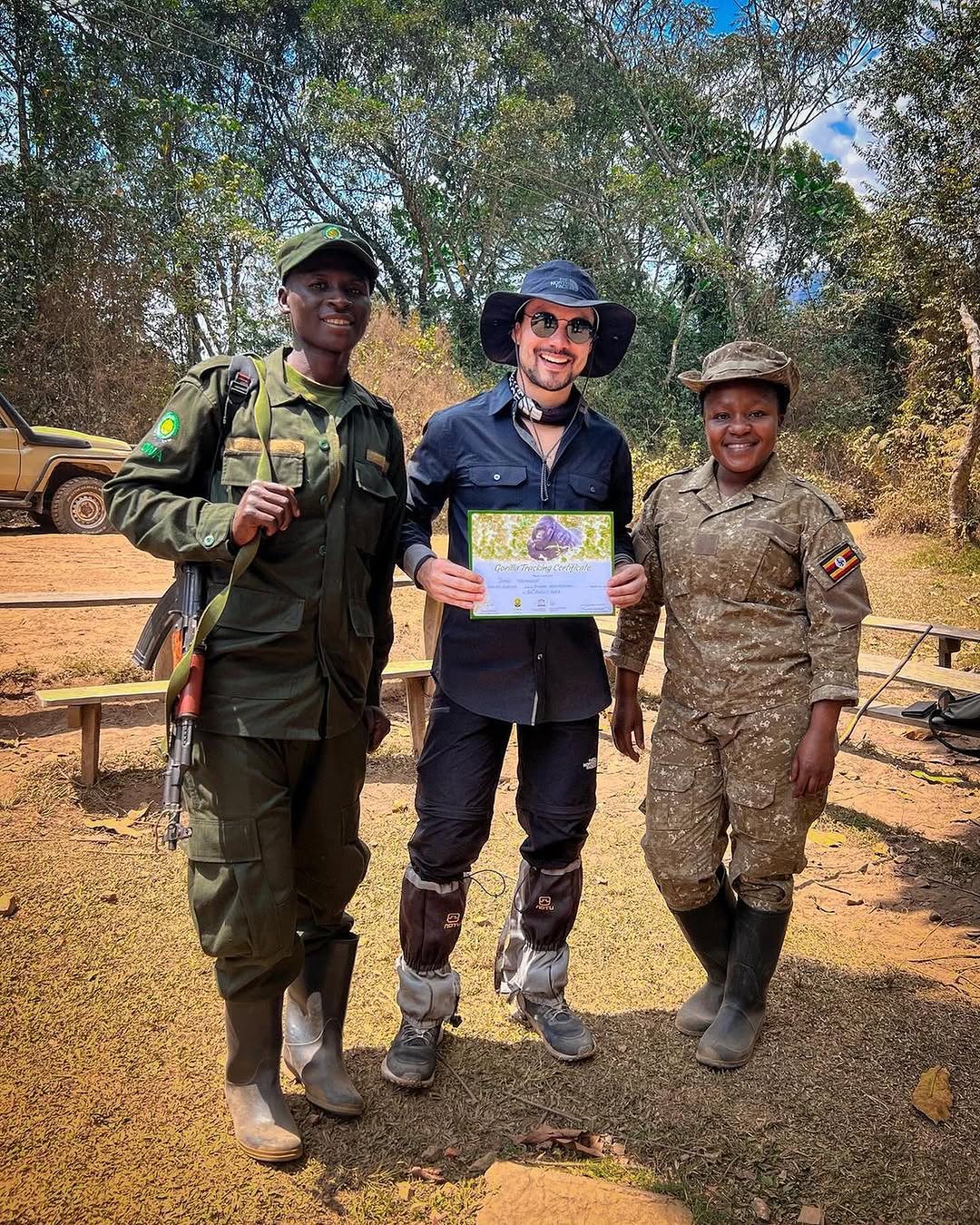
Upon completing the trek, visitors are awarded certificates to commemorate their successful gorilla tracking experience. These certificates serve not just as souvenirs but as symbols of your personal contribution to gorilla conservation. Many trekkers stay at the headquarters for a while, sharing stories, exchanging photographs, and reliving their favorite moments from the trek. Back at your lodge, the afternoon may be spent relaxing, enjoying a well-deserved meal, and perhaps reflecting quietly on the extraordinary privilege of encountering mountain gorillas in the wild.
Gorilla trekking is more than just a hike into the forest; it is a journey of the heart. It demands patience, resilience, and respect, but the rewards are immeasurable. Spending even a short time with mountain gorillas transforms your understanding of nature, conservation, and the delicate balance of life on our planet. Every step you take during the trek supports the ongoing efforts to protect these magnificent creatures and their fragile ecosystems. As you leave the forest behind, you carry with you not just photographs, but a profound and lasting bond with one of Earth’s greatest natural wonders.