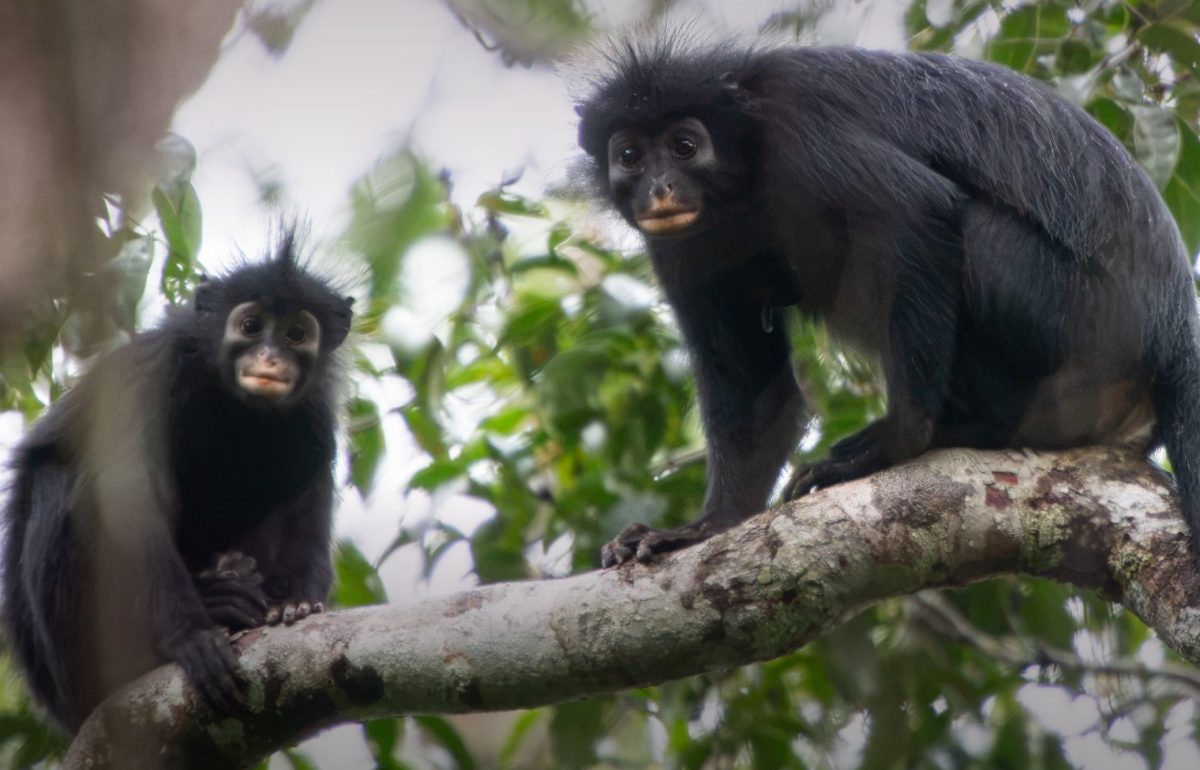
New Monkey species in DR.Congo
July 16, 2026
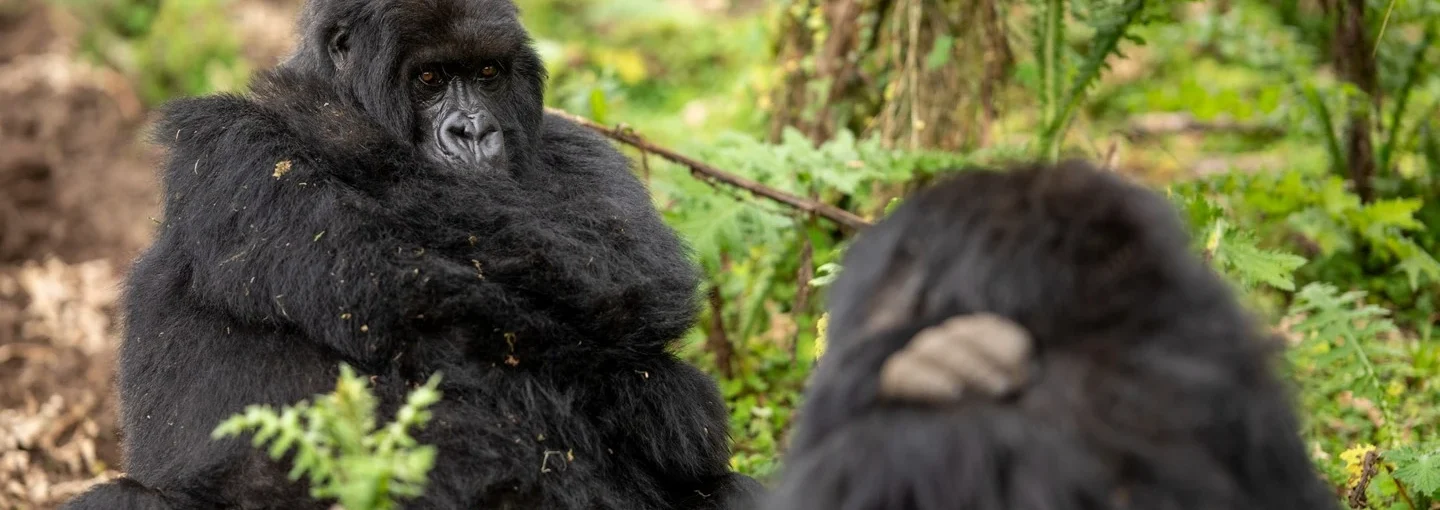
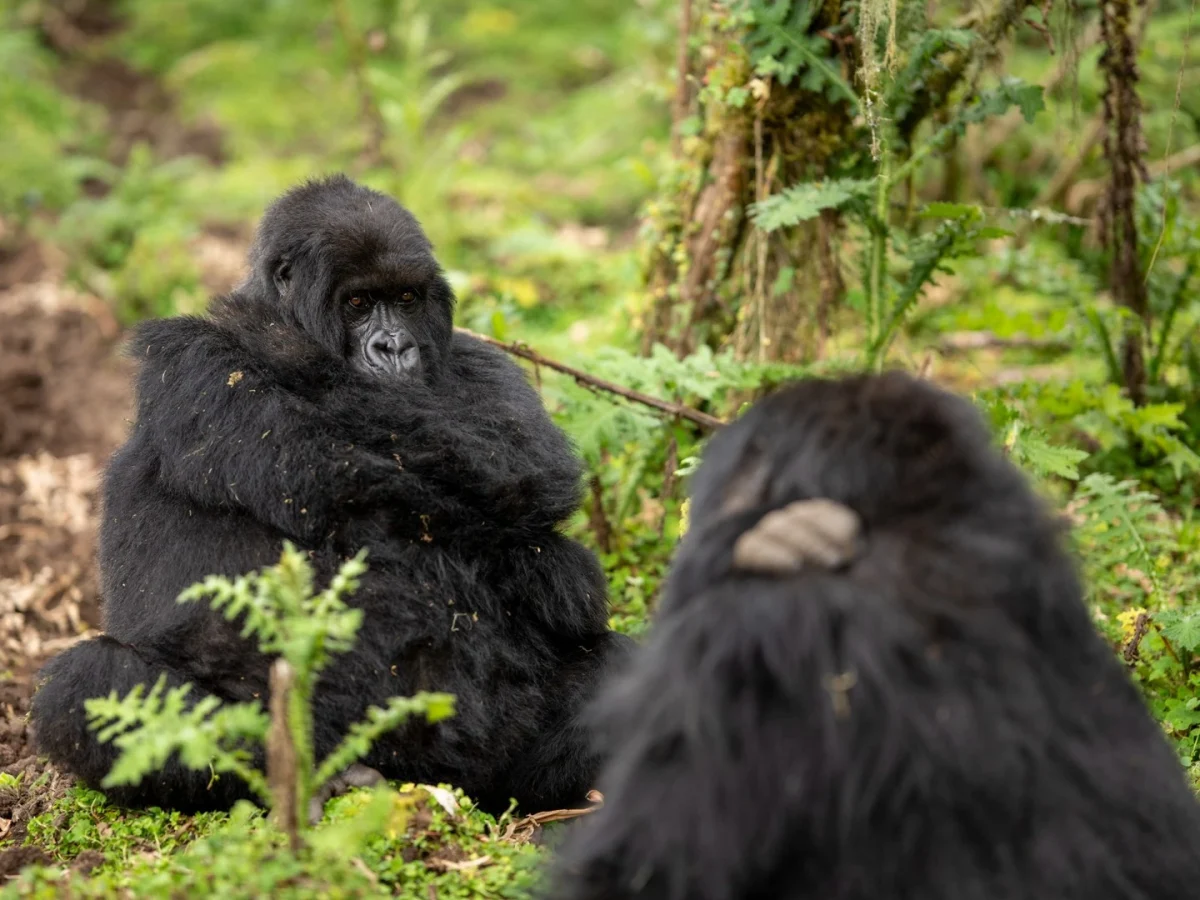
Nshanjare Gorilla Family
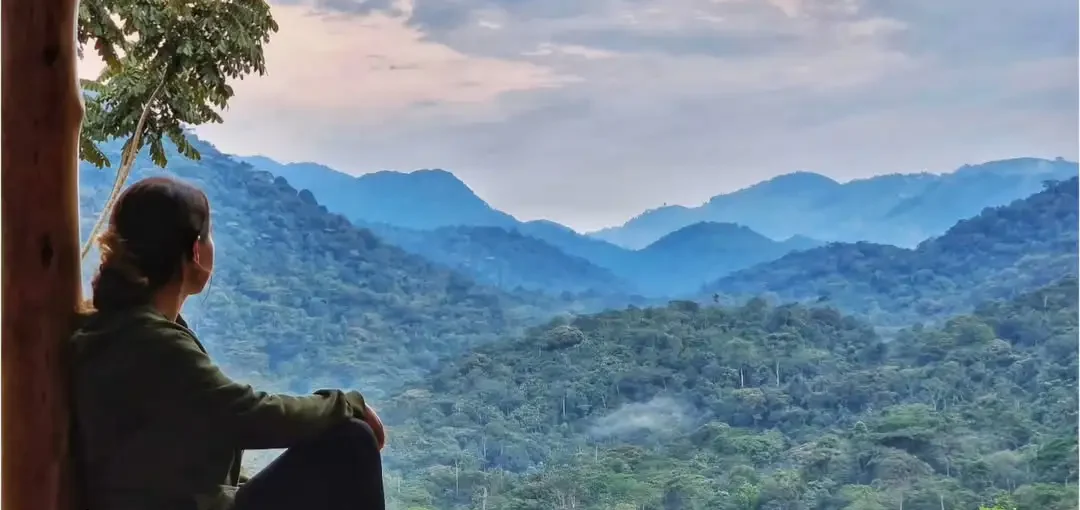
September 11, 2026Bwindi Impenetrable National Park is one of Uganda’s most remarkable destinations and a well-established tourism area, welcoming visitors from around the world for gorilla trekking, forest walks, birdwatching, cultural experiences and nature adventures. The park and surrounding communities have extensive experience hosting international travelers, and tourism activities are carefully managed by trained guides, Uganda Wildlife Authority (UWA) rangers and local community members.
For most visitors, Bwindi is a safe destination when normal travel precautions are followed and park regulations are respected. The remote, mountainous environment does, however, present a different set of considerations from a typical city or beach holiday. Steep forest trails, changing weather, insects, limited medical facilities and encounters with wildlife mean that preparation is important.
Whether you are visiting the Buhoma, Ruhija, Rushaga or Nkuringo sector, understanding the local environment and following the advice of your guides will help make your experience safe, comfortable and enjoyable.
Is Bwindi Safe for Tourists?
Yes. Bwindi is generally considered a safe destination for tourists, and gorilla trekking is conducted under established safety procedures. UWA maintains ranger teams within the park, while trained guides accompany visitors during trekking and other regulated park activities.
The communities surrounding Bwindi also benefit significantly from tourism. Lodges, restaurants, guides, porters, cultural groups and other local businesses depend on visitors, creating a strong incentive to maintain a welcoming and secure environment.
Nevertheless, Bwindi is a remote wilderness area. Visitors should not treat it like an urban destination. Keep valuables secure, listen to your guide, stay with your group and avoid entering the forest independently.
Quick Info
Security Level: Very safe for tourists
Malaria Risk: Present — prophylaxis recommended
Yellow Fever: Vaccination certificate required
Drinking Water: Bottled/filtered only
Nearest Hospital: Bwindi Community Hospital (~30 min)
Altitude: 1,500 m (no altitude sickness risk)
Travel Insurance: Essential — include medical evacuation
Emergency No: Uganda Police: 999 / UWA: +256-414-355000
Personal Security in Bwindi
Bwindi’s tourism areas are generally peaceful, but visitors should still use sensible precautions. The park is located in a rural and mountainous region, and accommodation and communities are spread across large areas.
Keep passports, large amounts of cash, electronics and other valuables securely stored at your accommodation whenever they are not required. Use the safe or secure storage provided by your lodge where available.
Avoid displaying large amounts of cash or expensive jewelry.
Keep cameras, phones and other valuables secure.
Carry only what you need for the day’s activity.
Keep your belongings within sight.
Follow your guide’s instructions when moving through villages or forest areas.
Avoid walking alone at night, particularly on unfamiliar paths.
Arrange transportation through your lodge, tour operator or trusted driver.
Keep copies of important travel documents separately from the originals.
It is also advisable to inform your lodge if you plan to leave the property after dark. Rural paths can be poorly lit, uneven and slippery.
Safety During Gorilla Trekking
Gorilla trekking is one of Bwindi’s most extraordinary experiences, but it takes place in a genuine rainforest environment. Your safety is managed by trained UWA ranger guides who understand the terrain and the behavior of the gorilla groups.
Before entering the forest, you will receive a briefing explaining the rules and procedures for the trek. Follow these instructions throughout the experience.
Keep a Safe Distance from the Gorillas
Visitors should maintain the distance instructed by UWA and their ranger guides. The commonly stated minimum distance is 7 metres, although gorillas may occasionally move closer on their own.
Do not attempt to touch, feed or attract a gorilla. If a gorilla approaches you, remain calm and follow the ranger’s instructions.
The distance rule protects both visitors and gorillas. Humans can transmit respiratory and other infectious illnesses to gorillas, while maintaining space also reduces unnecessary stress for the animals.
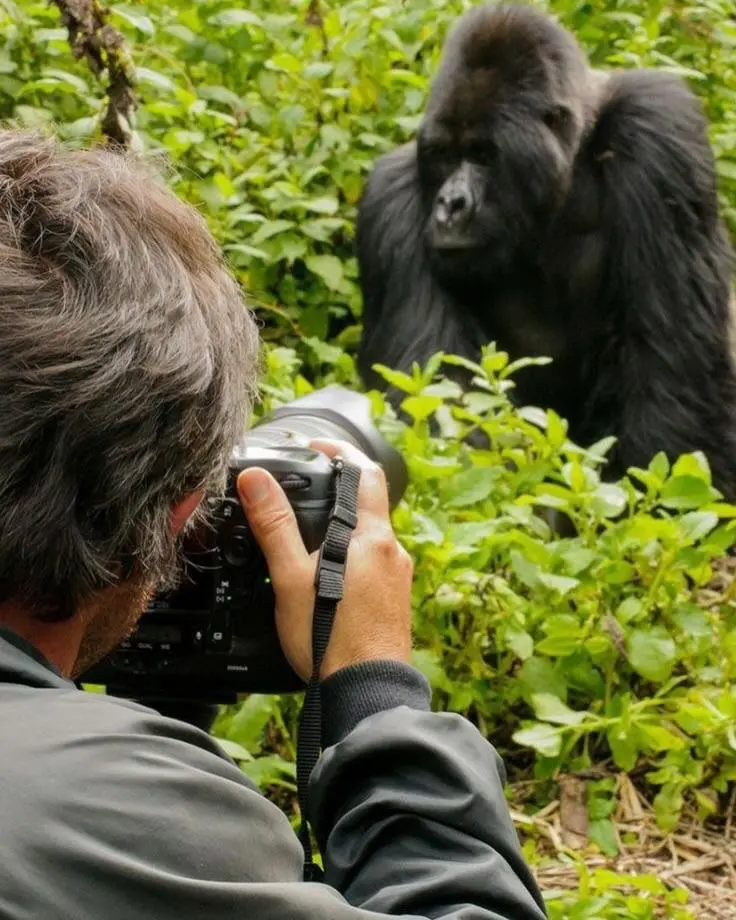
Do Not Run From a Gorilla
If a gorilla displays intimidating behavior or makes a charge, do not run. Remain calm and follow your ranger’s instructions.
Gorilla displays can be dramatic and may include chest beating, vocalizations, branch shaking or short charges. Your ranger knows how to respond appropriately.
Avoid Flash Photography
Flash photography should not be used around gorillas. Sudden flashes can disturb wildlife.
Set your camera or phone appropriately before approaching the gorillas and keep your movements slow and predictable.
Keep Your Voice Low
Gorillas are wild animals and should be observed quietly. Avoid shouting, sudden movements or attempts to attract their attention.
The best encounters often happen when visitors remain calm and allow the gorillas to behave naturally.
Physical Fitness and Trekking Conditions
Gorilla trekking in Bwindi is not simply a walk through a forest. The terrain can be steep, slippery, muddy and physically demanding.
Depending on the location of the gorilla family assigned to your group, a trek can take several hours. The actual duration varies considerably because gorillas move freely through the forest.
You may encounter:
- Steep uphill and downhill sections
- Narrow forest trails
- Mud and slippery surfaces
- Dense vegetation
- Tree roots and rocks
- Uneven ground
- Wet conditions
- High humidity
- Long periods of walking or standing
You do not need to be an elite athlete, but a reasonable level of fitness will make the experience considerably more enjoyable.
Prepare Before Your Trip
In the weeks before travelling, include regular walking, hiking, stair climbing or other cardiovascular exercise in your routine.
If you have mobility concerns or are worried about the physical demands of trekking, discuss this with your tour operator before your trip so that appropriate arrangements can be made.
Hire a Porter
Hiring a porter is one of the best ways to make your Bwindi trek easier while directly supporting the surrounding communities.
A porter can carry your backpack, water and other equipment and can provide assistance on steep or slippery sections of the trail.
Portering also creates valuable employment for people living around Bwindi and allows tourism revenue to reach local households.
You should not feel embarrassed about hiring one even if you are physically fit. Many experienced trekkers use porters because they make the experience more comfortable and allow visitors to concentrate on enjoying the forest.
Weather and Rain Safety
Bwindi is a rain-forest, and rain is possible throughout the year. Conditions can change quickly, even when the morning begins with clear skies.
Rain can make trails considerably more slippery and may increase the difficulty of steep sections.
For this reason, pack:
- A lightweight waterproof jacket
- Waterproof trousers if desired
- Waterproof backpack cover or dry bags
- Comfortable hiking boots with good grip
- Extra socks
- A small towel
- Water
- Snacks
- A waterproof cover for your camera or phone
Do not underestimate the importance of good footwear. Shoes with a strong grip are particularly useful on muddy and steep sections.
Wildlife Safety
Bwindi is a protected wilderness area containing many species of wildlife. Although gorillas are the main attraction, visitors may encounter monkeys, forest elephants, buffaloes, birds, insects and other animals.
Never approach, chase, feed or attempt to touch wildlife.
Stay with your group and follow the instructions of your ranger or guide.
If you encounter an animal unexpectedly, remain calm and allow your guide or ranger to determine the safest response.
Do not wander away from established trails or attempt to explore the forest independently.
Snakes, Insects and Other Forest Animals
Bwindi is a natural forest ecosystem, so insects and other small animals are part of the experience.
Mosquitoes and other biting insects can be encountered, particularly around accommodation and during certain times of the day.
Use insect repellent on exposed skin and wear suitable clothing. Long trousers and long-sleeved shirts are useful for both insect protection and protection from vegetation.
Avoid placing your hands into holes, under rocks, inside hollow trees or into dense vegetation where you cannot see what is present.
Your guide will help you navigate the forest safely.
Malaria Prevention
Malaria occurs in Uganda, including areas surrounding Bwindi. The risk varies by location and conditions, but visitors should take appropriate precautions.
Speak with a qualified travel-health professional before your trip about whether malaria prevention medication is appropriate for you.
Additional precautions include:
Apply an effective insect repellent.
Wear long trousers and long-sleeved clothing, particularly later in the day.
Sleep under a mosquito net where one is provided.
Keep doors and windows screened or closed where appropriate.
Seek medical advice promptly if you develop a fever or flu-like symptoms during or after your trip.
Do not self-prescribe anti-malaria medication without professional advice, as the appropriate medicine depends on your individual circumstances and travel itinerary.
Vaccinations and Travel Health
Before travelling to Uganda, consult a travel-health clinic or qualified medical professional well in advance of departure.
Vaccination and entry requirements can change, and requirements may depend on your previous travel history and countries visited before arriving in Uganda.
Yellow fever vaccination is particularly important because Uganda has specific yellow fever entry requirements, and travelers who require a vaccination certificate should carry it with their travel documents.
Other routine and travel vaccinations may also be recommended depending on your itinerary and individual circumstances.
Your travel-health professional can advise you on:
- Yellow fever
- Hepatitis A and B
- Typhoid
- Tetanus and other routine vaccinations
- Rabies where appropriate
- Malaria prevention
Other destination-specific health precautions
Safe Drinking Water and Food
Avoid drinking untreated water during your trip.
Use bottled, filtered or properly treated water, particularly when travelling outside established lodges and accommodation.
At your lodge or restaurant:
Drink water that is confirmed to be safe.
Wash your hands regularly.
Use hand sanitizer when soap and water are unavailable.
Eat food that has been properly cooked and served hot.
Wash fruits thoroughly or choose fruits that can be peeled.
Be cautious with raw foods where hygiene standards are uncertain.
It is useful to carry a refillable water bottle so that you can stay hydrated without relying on untreated water sources.
Preventing Dehydration
Even in a cool rainforest environment, trekking can be physically demanding. Humidity, walking uphill and carrying equipment can increase your fluid requirements.
Carry sufficient drinking water for the trek and drink regularly rather than waiting until you feel very thirsty.
Rehydration salts can also be useful to include in your personal travel-health kit.
Medical Facilities Around Bwindi
Bwindi is a remote destination, and medical facilities are more limited than those available in Kampala or other major cities.
Minor illnesses and basic medical needs can generally be addressed through local health facilities, while more serious cases may require transfer to a larger medical center.
Because travel times can be significant, travelers should not rely solely on local medical facilities for serious emergencies.
Before travelling, make sure your insurance policy provides adequate medical coverage and, where appropriate, emergency evacuation.
Travel Insurance and Medical Evacuation
]Travel insurance is strongly recommended for any visit to Bwindi.
Choose a policy that specifically covers:
- Gorilla trekking
- Hiking or trekking activities
- Emergency medical treatment
- Hospitalization
- Emergency evacuation
- Repatriation where necessary
- Trip interruption or cancellation where appropriate
Read the policy carefully. Some standard travel-insurance policies have exclusions for trekking, adventure activities or encounters with wildlife.
If you are participating in gorilla trekking, confirm in writing that your planned activity is covered.
Emergency Preparedness
Because Bwindi is remote, it is sensible to prepare for unexpected situations before beginning your trip.
Keep the following information accessible:
- Your travel insurance details
- Emergency contact information
- Passport details
- Your tour operator’s contact
- Your driver’s contact
- Your lodge’s contact
- Relevant medical information
- Any prescription medication you require
If an emergency occurs during a trek, immediately inform your ranger. Do not attempt to leave the group independently.
Your guide and ranger team will coordinate the appropriate response.
Safety at Lodges and Accommodation
Bwindi has a wide range of accommodation, from community-based guesthouses to luxury lodges.
At your accommodation:
Lock your room when leaving.
Store valuables securely.
Keep doors and windows closed when appropriate.
Use mosquito nets where provided.
Follow lodge instructions regarding wildlife and walking after dark.
Ask staff about safe routes if you need to move around the property at night.
Use a flashlight or headlamp after dark.
Some lodges are located directly beside forested areas, so wildlife may occasionally be present around the property. Never approach animals on your own.
Walking After Dark
Many accommodation properties around Bwindi are surrounded by dense vegetation and have uneven paths.
Avoid walking alone at night, particularly outside the lodge grounds.
If you need to move between buildings after dark, ask lodge staff for assistance when necessary and carry a flashlight or headlamp.
This is especially important during rainy weather when paths can become slippery.