Safety in Bwindi: What to Know
August 17, 2026Nshanjare Gorilla Family is one of the newest gorilla families associated with the Rushaga sector, offering visitors an exciting opportunity to witness the continuing evolution of mountain gorilla society in the wild.
Unlike a static population, mountain gorilla communities are constantly changing. Families grow, divide, merge, and establish new social groups as young males mature, silverbacks compete for leadership, and females move between groups. Nshanjare is part of this fascinating natural process and represents another example of how the gorilla population of Bwindi continues to develop.
Where is the Nshanjare Gorilla Family?
The Nshanjare Gorilla Family is found in the Rushaga sector of Bwindi Impenetrable National Park, in southwestern Uganda.
Rushaga is one of the principal gorilla trekking sectors of Bwindi and is particularly well known for its remarkable concentration of gorilla families. The sector has a long history of gorilla habituation and tourism, with families such as Nshongi, Mishaya, Bweza, Kahungye and Busingye forming part of its fascinating gorilla story.
The arrival of Nshanjare adds another chapter to that story and creates even more possibilities for visitors exploring this part of Bwindi.
The Story Behind Nshanjare Gorilla Family
The history of the Nshanjare family is still developing, and detailed information about its formation and individual members is not yet as widely documented as the older habituated families of Bwindi.
There are reports linking the emergence of Nshanjare to the complex history of gorilla family divisions in Rushaga, particularly the long-running story of the Nshongi lineage. Nshongi was once one of the largest habituated gorilla families in Bwindi, numbering around 36 individuals at the time of its habituation. Over the years, social changes and competition among adult males resulted in the formation of new groups, including the Mishaya and Bweza families.
This makes the emergence of Nshanjare particularly interesting. Mountain gorilla families do not remain unchanged forever. When social circumstances lead to a group dividing, a new family can gradually establish its own identity and territory within the forest.
For now, the precise lineage and formation story of Nshanjare should be treated as an evolving part of its history until further information is formally documented by Uganda Wildlife Authority and researchers.
What Makes Nshanjare Special?
For travellers, one of the most exciting aspects of the Nshanjare Gorilla Family is its newness.
Many of Bwindi’s famous gorilla families have been followed for years and have developed well-known histories and personalities. Nshanjare, by comparison, represents a newer chapter. Its social structure, individual personalities and future development are still being observed.
For visitors who are fascinated by gorilla behaviour and conservation, this makes an encounter with Nshanjare particularly meaningful.
You are not simply visiting an established gorilla family. You are witnessing a new chapter in the social history of one of the world’s most remarkable primates.
Gorilla Trekking to See Nshanjare
A trek to see the Nshanjare Gorilla Family begins in the Rushaga sector of Bwindi Impenetrable National Park.
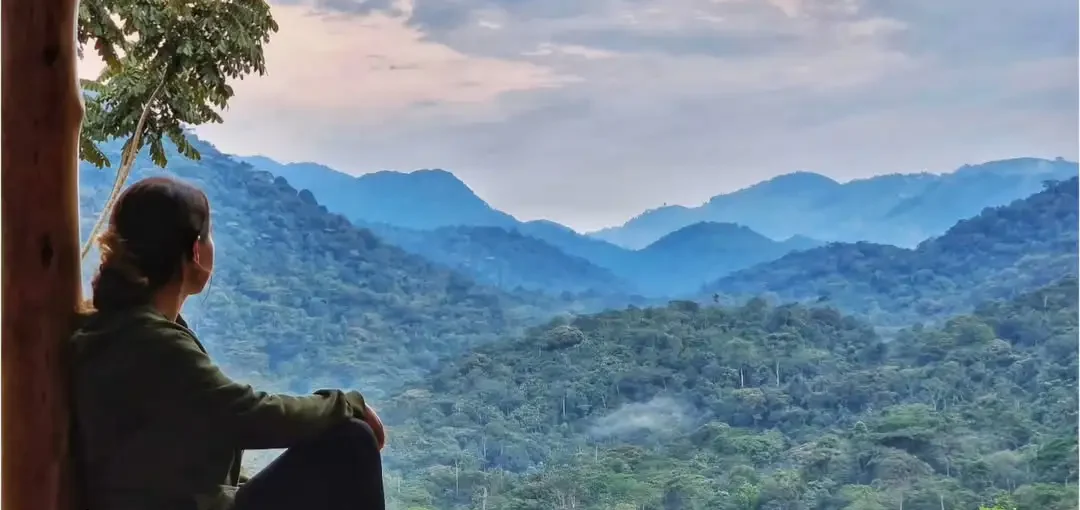
The trek takes you through Bwindi’s ancient montane rainforest, where the journey itself is part of the experience. The forest is filled with towering trees, dense vegetation, birds, butterflies and other primates.
Eventually, your trackers and guides may locate the gorilla family.
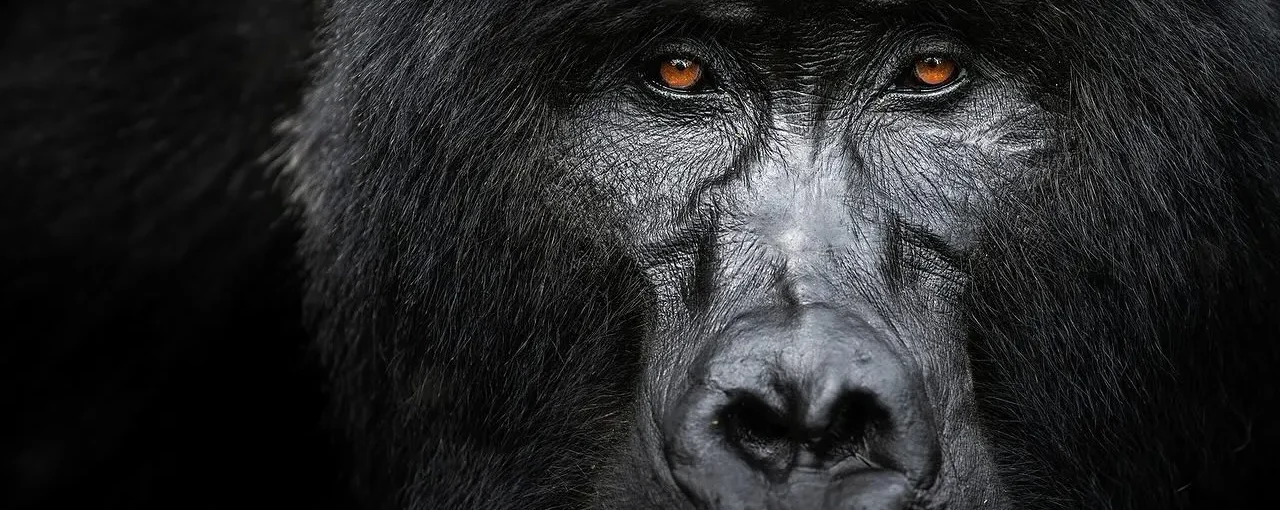
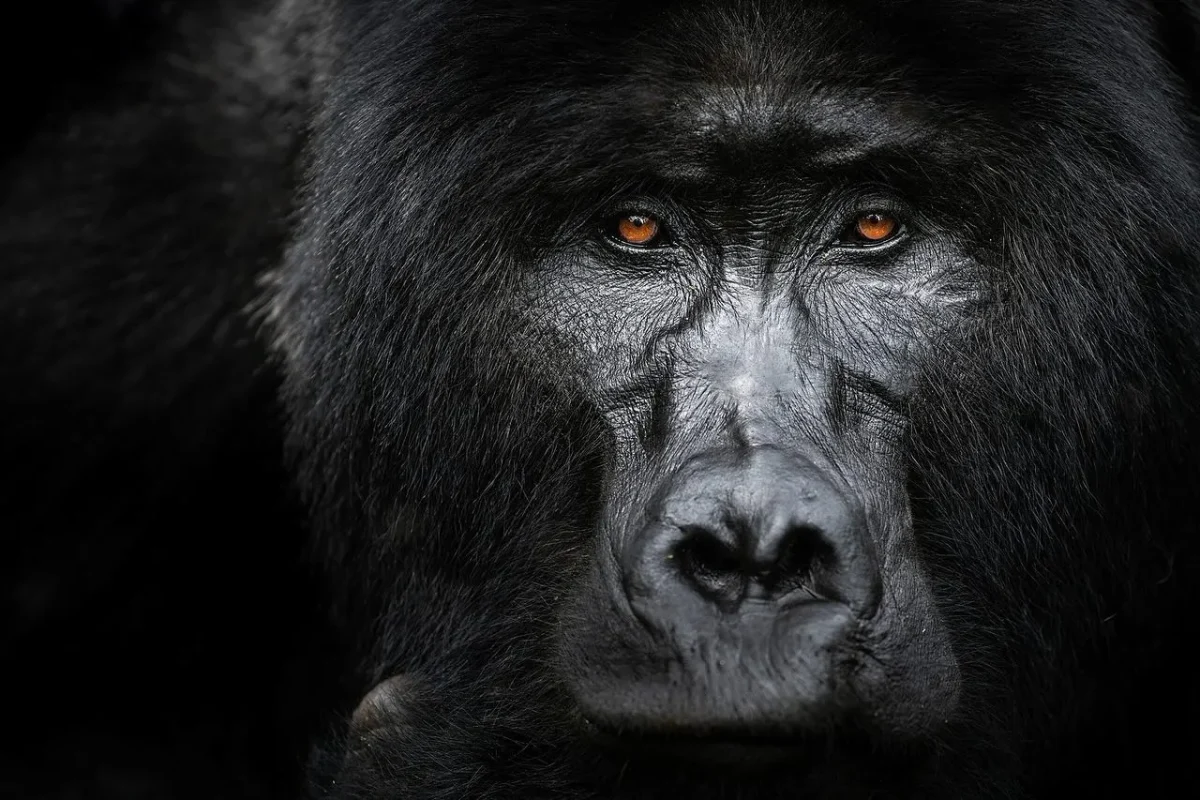
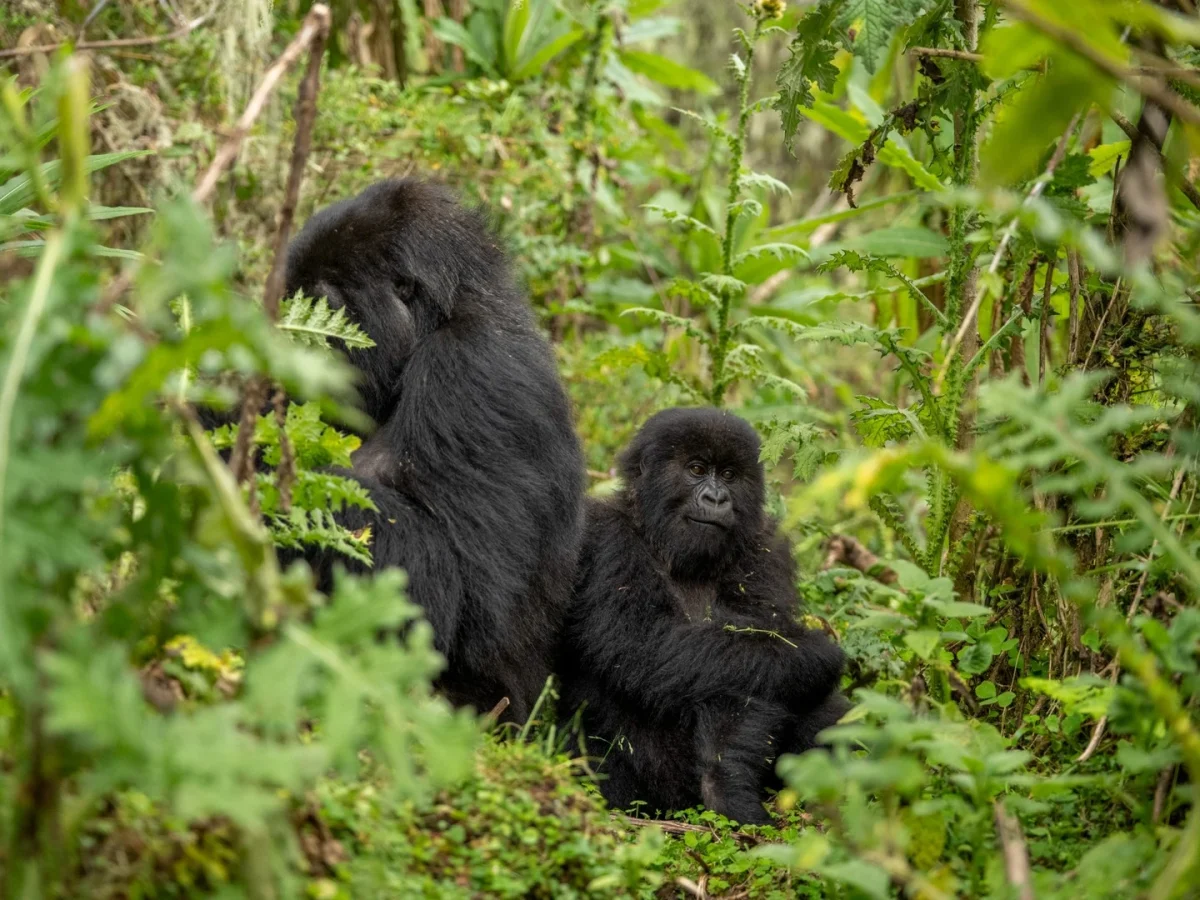
The first sight of a mountain gorilla emerging through the vegetation is unforgettable. A silverback watching from the forest, a mother caring for her infant, juveniles playing around the group or gorillas quietly feeding among the vegetation can create moments that stay with you long after you leave Uganda.
Because gorillas are wild animals, the location and movement of the family can change from day to day. This is part of what makes every trek unique.
Nshanjare and Gorilla Conservation
Every habituated gorilla family contributes to the broader conservation story of Bwindi.
Mountain gorilla tourism provides an important source of revenue and employment for communities surrounding the forest while creating an economic incentive to protect the habitat on which the gorillas depend.
The story of Nshanjare therefore goes beyond tourism. Its existence is connected to the continuing conservation of Bwindi’s forest and the protection of one of the world’s most endangered great apes.
Bwindi’s gorilla population has experienced significant conservation gains over the past decades, making the continuing formation and survival of gorilla communities an encouraging sign of successful long-term protection.