

Nshanjare Gorilla Family
September 11, 2026Uganda Yellow Fever Update: No Certificate Required
Planning a Uganda safari, gorilla trek or holiday? There is now one less travel document to worry about. Travellers entering Uganda no longer need to present a Yellow Fever vaccination certificate as a condition of entry, making the preparation process simpler for visitors heading to the country.
The change is particularly useful for travellers who have been working through visa applications, safari bookings, accommodation and health requirements ahead of their trip. Uganda’s Directorate of Citizenship and Immigration Control (DCIC) has confirmed that a Yellow Fever certificate is no longer mandatory for entry.
The clarification follows an inquiry by the Uganda Tourism Board concerning the country’s current entry requirements. The requirement is also no longer listed on Uganda’s official e-visa application portal or the National Citizenship and Immigration Control website.
For travellers, this means the Yellow Card, formally known as the International Certificate of Vaccination or Prophylaxis, is no longer required specifically for immigration entry into Uganda.
What the New Rule Means for Travellers
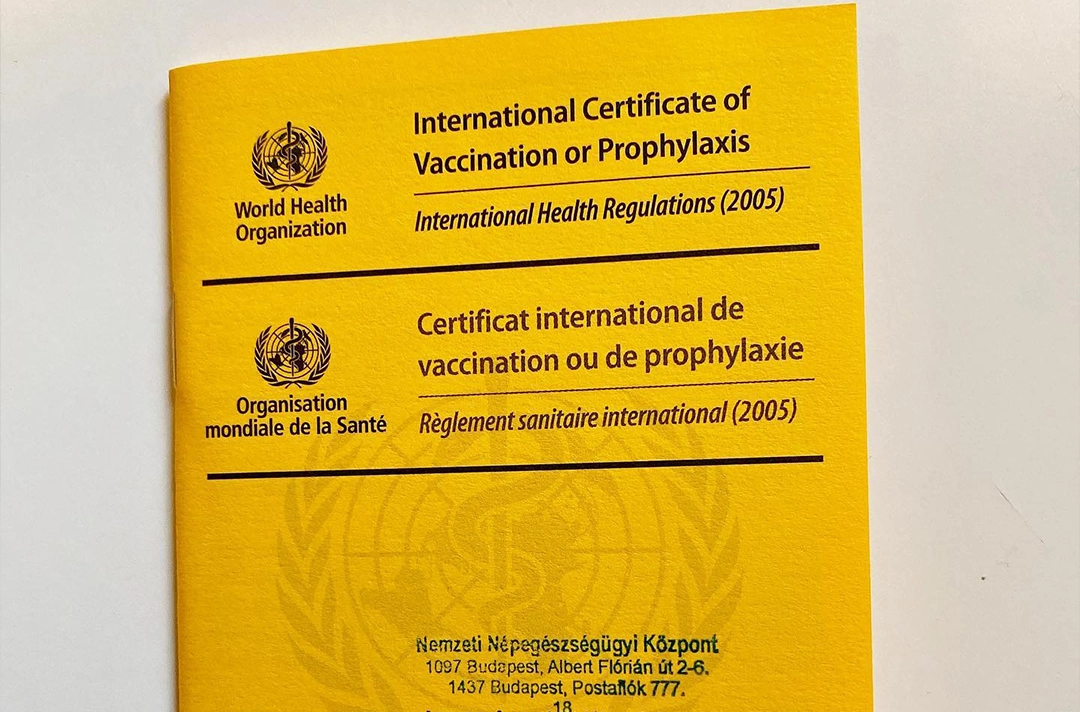 For many years, Yellow Fever vaccination documentation was an important item on the pre-travel checklist for people visiting Uganda. Tour operators and travel agents regularly advised clients to carry proof of vaccination before departing for the country.
The latest clarification removes that requirement from Uganda’s entry procedures.
Travellers arriving at Ugandan airports and other official points of entry therefore do not need to present a Yellow Fever certificate as a condition of admission. This applies to visitors travelling for tourism, business and other purposes.
The change should make the document-preparation process more straightforward, particularly for visitors arranging last-minute trips or travellers who are unfamiliar with Uganda’s previous entry procedures.
It is, however, important to understand that this is an immigration requirement, not a medical recommendation. The fact that Uganda no longer asks travellers to present the certificate does not mean that Yellow Fever vaccination is unsuitable or unnecessary from a health perspective.
A Significant Development for Uganda Tourism
The timing of the clarification is particularly relevant to Uganda’s tourism sector. The country receives international visitors seeking experiences ranging from mountain gorilla trekking and chimpanzee tracking to traditional wildlife safaris, birdwatching and cultural encounters.
Travellers heading to Bwindi Impenetrable National Park or Mgahinga Gorilla National Park for gorilla trekking, for example, often spend considerable time preparing permits, accommodation, transfers and travel documents before departure. Visitors planning chimpanzee experiences in Kibale Forest National Park, or game drives in Queen Elizabeth, Murchison Falls and Kidepo Valley national parks, likewise need to organize several aspects of their journey.
Removing one entry-document requirement can make this preparation a little easier.
The development is also useful for the travel trade. Tour operators, destination management companies and travel agents can now update Uganda travel information provided to clients and remove the Yellow Fever certificate from checklists relating specifically to entry into Uganda.
Travellers Visiting More Than One Country Should Take Care
Although the new requirement is welcome news for visitors to Uganda, it should not be interpreted as a change to Yellow Fever regulations across East Africa.
Uganda is frequently included in multi-country holidays, with travellers combining the country with Kenya, Rwanda, Tanzania and other destinations. A visitor might arrive in Uganda after a safari in Kenya or continue from Uganda to Rwanda or Tanzania.
The requirements for those countries may be different.
Health and immigration rules can depend on a traveller’s nationality, country of departure, previous destinations and transit points. Some countries may still request proof of Yellow Fever vaccination from passengers arriving from, or transiting through, areas where the disease occurs.
For this reason, travellers planning a multi-country itinerary should check the entry requirements for every country on their route rather than assuming that Uganda’s policy applies elsewhere.
Airline requirements should also be checked before departure, particularly when the journey involves international connections.
The Vaccination Question Remains a Health Matter
 The removal of Uganda’s certificate requirement should also be separated from the question of Yellow Fever vaccination itself.
Yellow Fever is a mosquito-borne viral disease found in parts of Africa and South America. Travellers should consider professional travel-health advice when preparing for an international journey, especially when visiting multiple countries or spending time in areas where mosquito-borne diseases occur.
A medical professional can assess the traveller’s health, destinations and activities and advise on appropriate vaccinations and precautions.
The World Health Organization’s international health regulations recognise a properly issued Yellow Fever vaccination certificate as valid for life. However, whether a traveller should receive the vaccine is a separate health decision from whether a country requires the certificate at its border.
What Travellers Should Still Prepare
The removal of the Yellow Fever certificate does not mean that visitors can travel without other documentation.
Travellers should still check their passport validity, visa requirements, flight arrangements, accommodation, travel insurance and any permits required for planned activities.
Those travelling on safari should also ensure that their gorilla or chimpanzee permits, internal transportation and accommodation arrangements are confirmed well before departure.
Visitors travelling beyond Uganda should additionally check the entry requirements for their next destination and any countries through which they will transit.
Because travel regulations can change, relying on an old travel checklist may lead to confusion. Checking current information close to the departure date is therefore recommended.
What This Means for People Planning a Uganda Holiday
For international travellers, the latest clarification removes one familiar piece of paperwork from the Uganda travel process. It is particularly useful news for people planning holidays around Uganda’s major attractions, from the forests of southwestern Uganda to the wildlife-rich savannahs of the north.
The country continues to offer a wide range of experiences, including mountain gorilla encounters, chimpanzee tracking, wildlife viewing, birding, cultural tourism and scenic adventures.
With the Yellow Fever certificate no longer required for entry, visitors can prepare their Uganda journeys with greater clarity. However, they should continue to distinguish between Uganda’s immigration requirements and medical travel advice, while checking the rules applicable to every country included in their itinerary.
For the latest Uganda entry information, travellers should rely on official immigration sources and confirm any additional requirements with their airline or travel professional before departure.