Best Routes to Bwindi | How to get to Bwindi Impenetrable National Park
Best Routes to Bwindi ,drive eight to eleven hours from Kampala or Entebbe, take a scheduled flight of just over an hour to Kihihi or Kisoro airstrip and then a one to two hour transfer, or drive four to six hours from Kigali in Rwanda to the southern sectors. Most Uganda gorilla trekking safaris pick the route by permit sector. Bwindi sits in southwestern Uganda on the Congo border, close to Rwanda.
Working out how to reach a remote rainforest park can feel like a puzzle, especially when every guide quotes a different distance. The trick is simple once you see it: Bwindi has four trekking sectors, they are far apart by road, and the right route depends entirely on which one your gorilla permit names. This page walks through every way in, sector by sector, with honest drive times, the flights that actually run, what the roads are like in the rains and the border paperwork if you come from Rwanda.
Where Is Bwindi Impenetrable National Park and Which Sector Should You Visit for Gorilla Trekking?
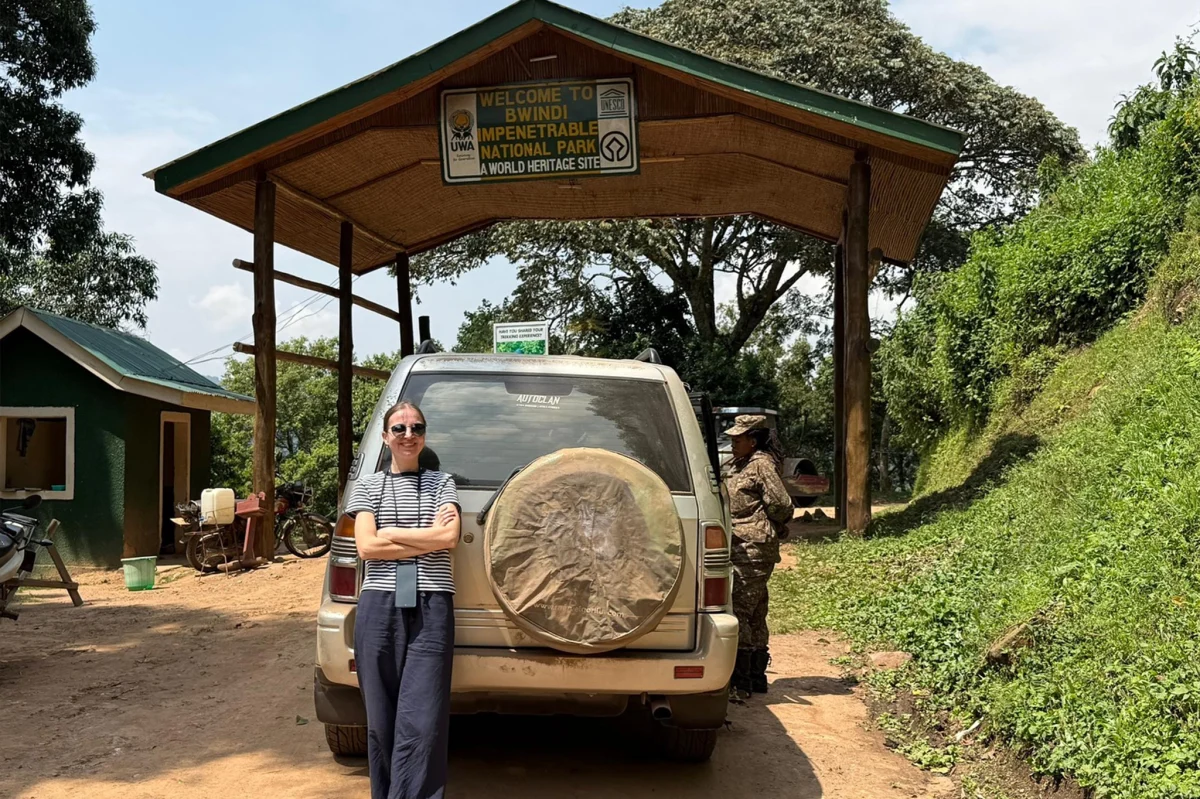
Bwindi Impenetrable National Park is located in southwestern Uganda, along the edge of the Albertine Rift Valley, where Kanungu, Kisoro and Rubanda districts meet. The park shares its western boundary with the Democratic Republic of Congo, while its southern edge lies a short distance from the Rwandan border near Kisoro.
Covering approximately 321 square kilometres, Bwindi is characterised by steep, forested ridges, deep valleys and dense tropical vegetation. Importantly, there is no public road crossing the central forest, meaning visitors must access the park through one of its four main sectors.
Bwindi is internationally renowned for its mountain gorillas, making it one of Africa’s most sought-after wildlife destinations. The 2018 mountain gorilla census recorded 459 individuals in Bwindi, representing a significant proportion of the world’s remaining mountain gorilla population. The park was established as a national park in 1991 and designated a UNESCO World Heritage Site in 1994.
Beyond gorillas, Bwindi is home to hundreds of bird species, including several Albertine Rift endemics, as well as chimpanzees, different monkey species and forest elephants. Its altitude ranges from approximately 1,160 to over 2,600 metres above sea level, creating a diverse ecosystem and challenging hiking terrain. Visitors should therefore prepare for cool mornings, steep trails and changing weather conditions.
For travellers planning a gorilla trekking safari, knowing the location of their accommodation and trekking sector is particularly important. Rather than using one general address for Bwindi, it is best to identify the specific sector where your gorilla trek begins.
Best Routes to Bwindi | Bwindi’s Four Main Gorilla Trekking Sectors
Bwindi has four main gorilla trekking sectors, each with its own access roads, nearby towns and accommodation options.
– Buhoma Sector: Located in the northern part of the park, Buhoma is accessed through Kihihi and Butogota. It is one of Bwindi’s most established gorilla trekking areas.
– Ruhija Sector: Situated along the eastern ridge, Ruhija is generally accessed from Kabale. Its high-altitude location offers beautiful forest scenery and excellent birdwatching opportunities.
– Rushaga Sector: Found in southern Bwindi, Rushaga is accessed through Kisoro or Kabale. It is particularly popular with visitors travelling from Rwanda through the Cyanika or Katuna border crossings.
– Nkuringo Sector: Also located in southern Bwindi, Nkuringo is accessed mainly through Kisoro. The area is known for its dramatic mountain scenery, steep landscapes and spectacular views.
Best Routes to Bwindi Impenetrable National Park
Bwindi Impenetrable National Park is divided into four main gorilla trekking sectors, each offering a unique trekking experience, different access routes and a range of nearby accommodation options. Choosing the right sector is important when planning your gorilla trekking safari, as travel distances and road conditions vary depending on your starting point.
– Buhoma Sector: Located in the northern part of Bwindi, Buhoma is accessed mainly through Kihihi and Butogota. It is one of the park’s oldest and most established gorilla trekking areas, with a good selection of lodges and accommodation facilities.
– Ruhija Sector: Situated along the eastern side of the park, Ruhija is primarily accessed from Kabale. Its elevated location offers spectacular forest views, cooler temperatures and excellent birdwatching opportunities, making it an attractive destination for nature enthusiasts.
– Rushaga Sector: Found in southern Bwindi, Rushaga can be accessed from either Kisoro or Kabale. It is particularly convenient for visitors travelling from Rwanda through the Cyanika or Katuna border crossings. The sector offers several gorilla trekking opportunities and a variety of accommodation options.
– Nkuringo Sector: Located in the southwestern part of Bwindi, Nkuringo is mainly accessed through Kisoro. It is renowned for its dramatic mountain landscapes, steep hiking trails and breathtaking views of the surrounding forest and Virunga Volcanoes.
Best Routes to Bwindi | Bwindi Travel Times and Distances from Major Safari Routes
Travel distances and driving times to Bwindi Impenetrable National Park vary depending on your starting point and the gorilla trekking sector you are visiting. Since Bwindi has four separate trekking sectors, it is important to calculate your journey to the correct sector rather than using one general distance for the entire park.
The table below provides estimated driving distances and travel times from major towns, national parks, airports and international border crossings. These estimates are intended as a planning guide and may vary depending on road conditions, weather, traffic and border clearance times.
Estimated Distances and Driving Times to Bwindi
Starting point | Destination sector | Approx. distance | Estimated driving time |
|---|---|---|---|
Kampala via Rukungiri | Buhoma | 480 km | 8–9 hours |
Kampala via Kabale | Ruhija | 465 km | 8–9 hours |
Kampala via Kabale | Rushaga | 490 km | 9–10 hours |
Kampala via Kisoro | Nkuringo | 530 km | 9–11 hours |
Kigali via Cyanika | Rushaga | 175 km | 4.5–6 hours |
Kigali via Cyanika | Nkuringo | 165 km | 4–5 hours |
Kigali via Katuna | Ruhija | 155 km | 5–6 hours |
Kigali via Katuna | Buhoma | 225 km | 6–8 hours |
Lake Mburo National Park | Buhoma or Ruhija | Intermediate stop | 5–6 hours |
Ishasha, Queen Elizabeth NP | Buhoma | 65 km | 2–3 hours |
Mweya, Queen Elizabeth NP | Buhoma | 160 km | 4–5 hours |
Kihihi Airstrip | Buhoma | 46 km | 1.5–2 hours |
Kihihi Airstrip | Ruhija | Mountain route | 2.5–3 hours |
Kisoro Airstrip | Rushaga | 45 km | 1–2 hours |
Kisoro Airstrip | Nkuringo | 35 km | 1–1.5 hours |
Road Trip from Kampala and Entebbe to Buhoma via Rukungiri and Kihihi
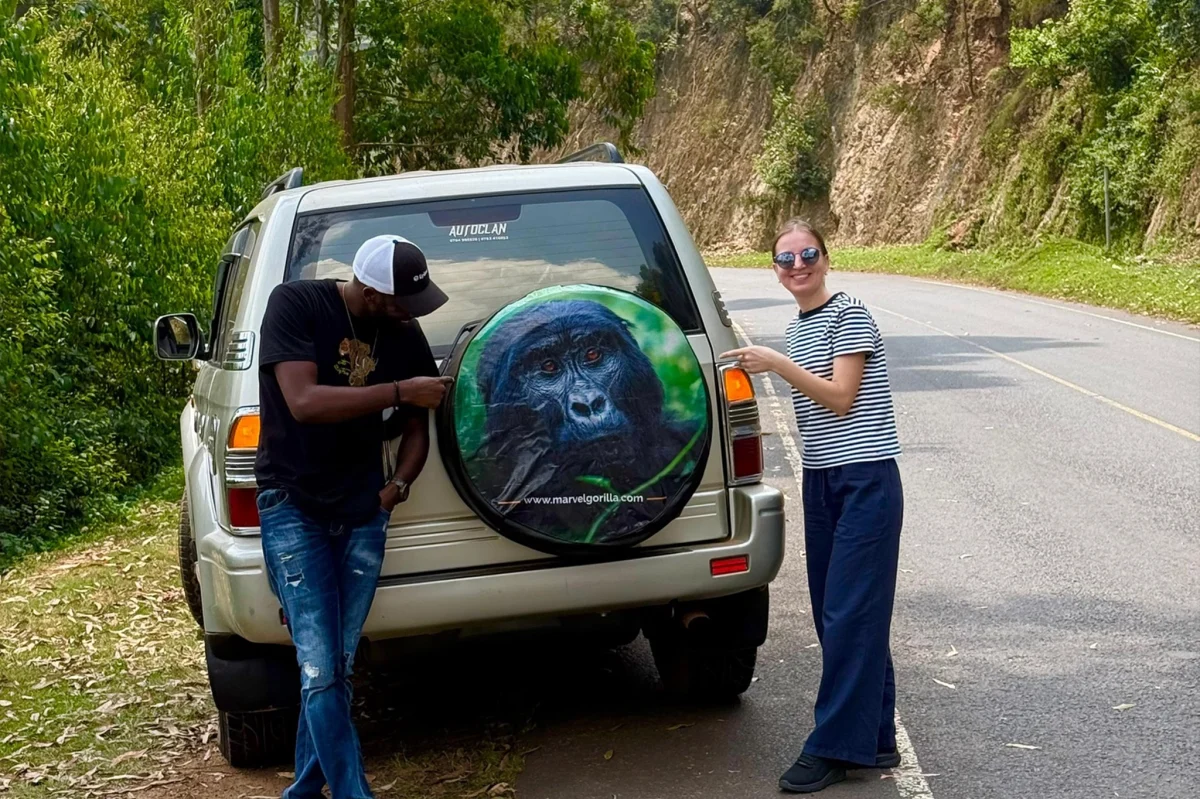
Travelling by road from Kampala or Entebbe to Buhoma Sector in Bwindi Impenetrable National Park is one of the most popular ways to reach the northern part of the park. The route passes through Uganda’s scenic countryside, offering opportunities to stop at the Equator, explore local communities and enjoy beautiful landscapes along the way.
The journey from Kampala follows the Masaka Highway, passing through Kayabwe at the Equator, where many travellers stop for photographs and a brief visit. You then continue through Mpambire, famous for its traditional drum-making, before reaching Masaka and Mbarara.
From Mbarara, the road continues westwards through Ntungamo to Rukungiri, before turning towards Kihihi and Kanungu. From this point, you proceed through Butogota towards Buhoma, where the northern entrance to Bwindi Impenetrable National Park is located.
Most of the journey follows tarmac roads, while the final stretch towards Buhoma includes winding, unpaved sections through the surrounding hills, tea plantations and rural settlements. A 4×4 safari vehicle is recommended, particularly during the rainy season when some sections can become muddy and slippery.
How Long Does It Take to Drive from Kampala to Buhoma?
The journey from Kampala to Buhoma covers approximately 480 kilometres and takes about 8–9 hours, depending on traffic, road conditions and stopovers.
For a more comfortable journey, we recommend departing Kampala early, preferably around 6:00 a.m. This helps you avoid heavy morning traffic and allows enough time for rest stops and lunch along the way. Mbarara is a convenient place to stop for lunch before continuing towards Rukungiri and Bwindi.
Road Trip from Kampala to Ruhija, Rushaga and Nkuringo via Mbarara and Kabale
Travelling from Kampala to the eastern and southern sectors of Bwindi Impenetrable National Park involves following Uganda’s main southwestern highway through Masaka, Mbarara, Ntungamo and Kabale. This route provides access to Ruhija, Rushaga and Nkuringo, with each sector connected to Kabale by a different mountain road.
The journey from Kampala to Kabale covers approximately 410 kilometres and takes around 6–7 hours, depending on traffic and road conditions. Most of this section follows a paved highway. From Kabale, however, the roads become narrower, steeper and more winding as you approach the different gorilla trekking sectors.
1. Best Routes to Bwindi | Kabale to Ruhija Sector
Ruhija is located along the eastern ridge of Bwindi and is accessed from Kabale through a mountainous route covering approximately 50 kilometres. The journey takes around 1.5–2 hours, depending on road conditions.
The road includes steep climbs, winding sections and unpaved stretches, which can become challenging during the rainy season. A 4×4 safari vehicle is highly recommended, particularly for visitors travelling during wet months.
2. Best Routes to Bwindi | Kabale to Rushaga Sector
Rushaga is situated in southern Bwindi and can be reached from Kabale through several routes, including the Lake Bunyonyi area and the Rubuguri road via the Kisoro direction.
The journey generally takes approximately 2–3 hours, depending on the chosen route, weather and road conditions.
Many travellers choose to spend a night at Lake Bunyonyi before continuing to Rushaga the following morning. This provides an opportunity to enjoy the beautiful lake scenery, explore its islands and relax before the gorilla trekking experience.
3. Best Routes to Bwindi | Kabale to Nkuringo Sector
Nkuringo is located in the southwestern part of Bwindi and is primarily accessed through Kisoro. From Kabale, the journey continues towards Kisoro before taking a steep, winding mountain road to Nkuringo.
The total distance is approximately 115 kilometres, and the journey takes around 3–4 hours, depending on road conditions.
Although the final stretch can be challenging, it rewards visitors with spectacular views of terraced hillsides, forested valleys and, on clear days, the Virunga Volcanoes.
Scenic Stops Along the Route
The journey from Kampala to southern Bwindi is more than just a transfer. It offers some of Uganda’s most beautiful countryside scenery.
Some worthwhile stops include:
Lake Bunyonyi: A beautiful high-altitude lake surrounded by rolling hills and dotted with numerous islands. It is an excellent place for an overnight stay.
Kabale Town: A convenient stop for refreshments, lunch and supplies before continuing towards Bwindi.
Kisoro Town: A gateway to southern Bwindi and Mgahinga Gorilla National Park, with impressive views of the surrounding volcanic mountains.
Virunga Volcanoes: On clear days, travellers approaching Kisoro and Nkuringo can enjoy magnificent views of the volcanic mountain range.
Spending a night in Kabale or around Lake Bunyonyi is a popular option for travellers who prefer to break up the journey rather than drive directly from Kampala to Bwindi.
Scheduled Fly-In Safari Flights to Kihihi and Kisoro
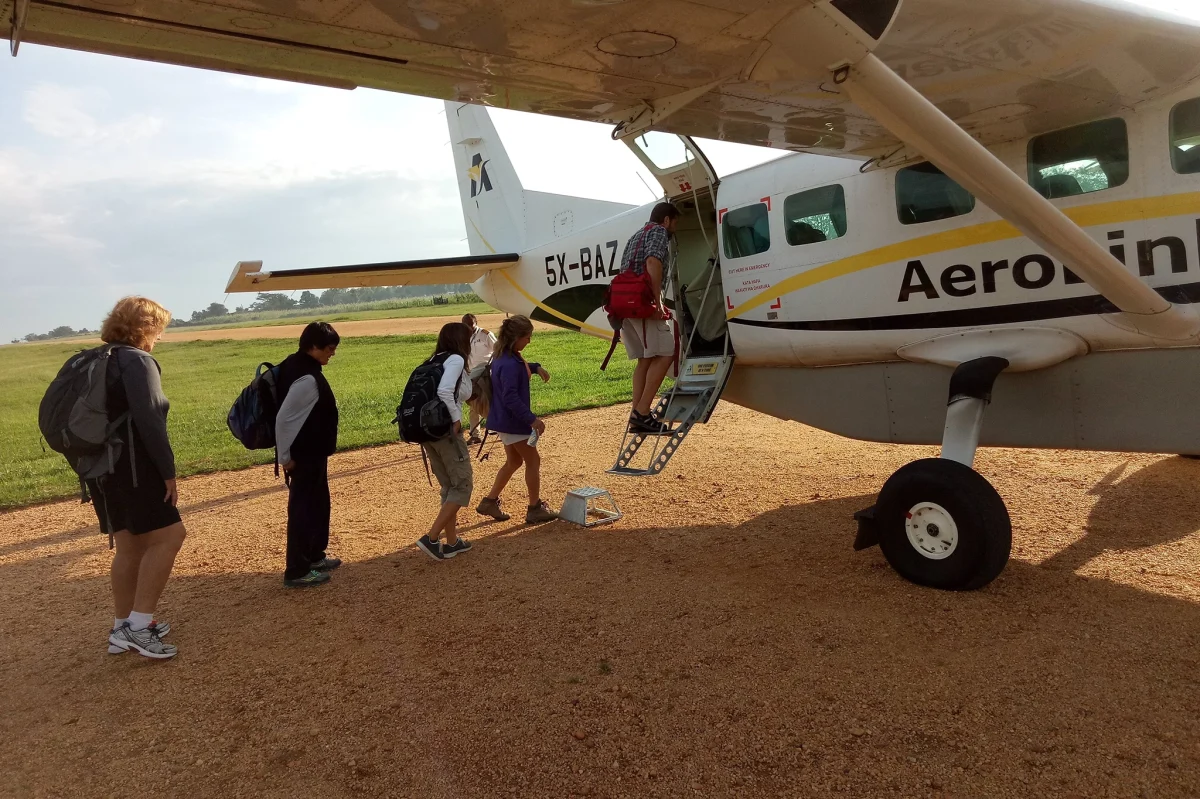
A fly-in gorilla trekking safari is an excellent option for travellers who want to avoid the long road journey from Entebbe or Kampala to Bwindi Impenetrable National Park. Instead of spending 8–10 hours travelling by road, visitors can take a domestic flight from Entebbe to either Kihihi or Kisoro Airstrip, followed by a road transfer to their lodge.
Aerolink Uganda operates scheduled domestic flights connecting Entebbe International Airport with airstrips serving Bwindi and other national parks in Uganda. The most suitable arrival airstrip depends on your gorilla trekking sector.
1.Best Routes to Bwindi | Entebbe to Kisoro Airstrip
The Entebbe–Kisoro flight is particularly convenient for travellers visiting the southern sectors of Bwindi, namely Rushaga and Nkuringo.
Flights generally operate in the morning, with flight schedules varying according to the season and demand. The flying time is approximately 1 hour and 15 minutes, although some flights may include an intermediate stop.
From Kisoro Airstrip, visitors continue by road to their respective lodges:
Kisoro to Rushaga: Approximately 1–2 hours.
Kisoro to Nkuringo: Approximately 1–1.5 hours, although heavy rain can increase the journey time.
2. Best Routes to Bwindi | Entebbe to Kihihi Airstrip
Kihihi Airstrip is the preferred arrival point for visitors trekking in Buhoma Sector, located in the northern part of Bwindi. It can also serve travellers heading to Ruhija, although the road transfer is longer.
The direct flight from Entebbe generally takes approximately 70–75 minutes. However, some flight rotations include a stop at Kisoro, increasing the overall journey time.
Estimated road transfers from Kihihi include:
Kihihi to Buhoma: Approximately 1.5–2 hours.
Kihihi to Ruhija: Approximately 2.5–3 hours.
Transfers should be arranged in advance through your tour operator or accommodation provider, as airport transport is not automatically included with scheduled flights.
3. Airport Transfers and Flight Planning
After landing at either Kihihi or Kisoro Airstrip, your safari driver will meet you and transfer you to your booked lodge.
It is important to coordinate your flight schedule with your accommodation and gorilla trekking arrangements. We recommend arriving at least one day before your scheduled gorilla trek rather than relying on a same-day flight. This provides a comfortable buffer in case of weather-related delays, operational changes or unexpected road conditions.
Kisoro Airstrip is particularly affected by morning weather conditions, including mist and low cloud cover, which can occasionally delay flights.
Travellers departing from Kampala should also remember that Entebbe’s domestic terminal is approximately an hour or more away, depending on traffic. Staying overnight in Entebbe before an early morning flight can make the journey considerably easier.
4. Baggage Allowance on Domestic Flights
One important consideration when booking a fly-in safari is luggage allowance. Small aircraft operating domestic safari routes have limited baggage capacity, and passengers are generally required to travel with lightweight, soft-sided bags.
A baggage allowance of approximately 15 kg per person, including hand luggage, is common on these safari flights, although the exact allowance depends on the airline, aircraft and ticket conditions.
We recommend the following:
Pack in soft-sided travel bags rather than hard-shell suitcases.
Keep essential travel documents, medication and valuables in your hand luggage.
Confirm the permitted baggage allowance before departure.
Arrange to leave excess luggage in Entebbe or with your tour operator where possible.
Check whether excess baggage charges apply before travelling.
5. Which Airstrip Should You Choose for Your Bwindi Gorilla Safari?
Your choice of airstrip should depend primarily on your assigned gorilla trekking sector.
Gorilla trekking sector | Recommended airstrip |
|---|---|
Buhoma | Kihihi |
Ruhija | Kihihi |
Rushaga | Kisoro |
Nkuringo | Kisoro |
Charter Flights and Helicopter Transfers to Bwindi Impenetrable National Park
For travellers seeking greater flexibility, comfort and convenience, private charter flights and helicopter transfers offer an excellent alternative to scheduled domestic flights when visiting Bwindi Impenetrable National Park.
Unlike scheduled flights, which operate according to fixed timetables, charter flights allow travellers to arrange departures around their safari itinerary. They are particularly suitable for families, small groups, luxury travellers and visitors combining Bwindi with other Ugandan national parks.
1. Private Charter Flights to Bwindi
Private charter flights operate from Entebbe International Airport or Kajjansi Airfield, located along the Kampala–Entebbe highway. Kajjansi can be a convenient departure point for travellers staying in Kampala.
Depending on the aircraft and operator, charter flights can serve several airstrips around Bwindi, including:
Kihihi Airstrip: Convenient for visitors trekking in Buhoma and Ruhija.
Kisoro Airstrip: Suitable for travellers visiting Rushaga and Nkuringo.
Kayonza Airstrip: An alternative for accessing northern Bwindi, particularly Buhoma, subject to aircraft suitability and operational arrangements.
Charter flights offer greater flexibility in departure times, luggage arrangements and itinerary planning, although these depend on aircraft capacity, weather and operator requirements.
They are especially useful for travellers who want to combine Bwindi gorilla trekking with other destinations, such as Murchison Falls National Park, Queen Elizabeth National Park or Kidepo Valley National Park, without spending long hours travelling by road.
For visitors with limited time, a combination of domestic flights and private road transfers can make it possible to enjoy a more convenient safari experience.
You can also read our guide to 1-Day Gorilla Trekking in Uganda to understand the possibilities and practical considerations of a short gorilla trekking trip.
2. Helicopter Transfers to Bwindi
For an even more exclusive travel experience, helicopter transfers provide a premium way to reach Bwindi and selected safari lodges.
Private helicopter charters operate from Kajjansi and other designated departure points, depending on the operator. They offer an opportunity to enjoy spectacular aerial views of Uganda’s countryside, rolling hills, forests and volcanic landscapes while significantly reducing travel time.
Depending on the destination and weather conditions, a helicopter journey from Kajjansi to the Bwindi region can take approximately 1.5–2 hours.
Some luxury lodges have suitable helicopter landing facilities or designated landing areas nearby, allowing guests to minimise additional road transfers. However, landing arrangements must be confirmed with the lodge and aviation operator before booking.
Helicopter transfers are particularly attractive to luxury travellers, honeymooners, private groups and visitors seeking a seamless connection between different safari destinations.
3. Weather and Safety Considerations
Although charter flights and helicopters offer greater flexibility, weather conditions remain an important consideration when travelling to Bwindi.
The mountainous terrain around Bwindi, particularly along the forested ridges, can experience mist, low clouds and sudden changes in weather. These conditions may affect visibility and result in delayed departures, diversions or cancellations.
Helicopter operations are particularly dependent on suitable visibility because many flights operate under visual flight rules.
Travellers should therefore:
Allow some flexibility in their safari schedules.
Confirm landing arrangements with their accommodation provider.
Use licensed and reputable aviation operators.
Follow the operator’s baggage and weight restrictions.
Avoid scheduling a flight with no contingency time before an important activity.
For more information about helicopter routes, aircraft options and charter arrangements, explore our Uganda Helicopter Tours Guide.
Our recommendation: At Marvel Gorilla Adventures, we help travellers coordinate private aviation, airport transfers, gorilla trekking permits and luxury accommodation. Whether you prefer a scheduled flight, private charter or helicopter transfer, we can help organise a convenient journey to Bwindi based on your itinerary, budget and preferred trekking sector.
Visas, Border Crossings and Entry Requirements for Your Bwindi Trip
Before travelling to Bwindi Impenetrable National Park, it is important to understand Uganda’s visa requirements and the documentation needed to enter the country. This is particularly important for travellers planning a gorilla trekking safari that combines Uganda with neighbouring Rwanda or Kenya.
1. Uganda Tourist Visa Requirements
Most international visitors travelling to Uganda require a visa before arrival, although citizens of certain countries are exempt under Uganda’s immigration regulations.
Travellers who require a visa should apply online through the official Uganda Immigration eVisa portal before departure.
The Uganda Single Entry Tourist Visa is suitable for visitors whose safari begins and ends in Uganda without travelling to neighbouring countries during the trip.
It allows eligible visitors to enter Uganda for tourism activities, including gorilla trekking in Bwindi, wildlife safaris, cultural experiences and nature excursions.
2. East Africa Tourist Visa for Multi-Country Safaris
If your safari combines Uganda with Rwanda or Kenya, the East Africa Tourist Visa (EATV) can be a convenient option.
This joint tourist visa allows eligible visitors to travel between Uganda, Rwanda and Kenya under one visa, subject to the applicable entry requirements.
Key features include:
Validity: 90 days.
Entry: Multiple entries between the participating countries.
Coverage: Uganda, Rwanda and Kenya.
Purpose: Tourism and related travel activities.
Application: Apply through the participating country you intend to enter first.
For example, travellers arriving in Kigali, Rwanda, before continuing to Bwindi for gorilla trekking in Uganda can apply through Rwanda if it is their first entry point.
Important: The East Africa Tourist Visa does not cover Tanzania or the Democratic Republic of Congo. Travelling outside the three participating countries generally means losing the ability to continue using the visa for re-entry. Travellers should check the latest immigration rules before planning additional border crossings.
3. Border Crossings Between Rwanda and Uganda
Visitors travelling from Kigali to Bwindi can enter Uganda through two main border crossings:
Cyanika Border: Convenient for travellers heading to Kisoro, Rushaga and Nkuringo in southern Bwindi.
Katuna Border: Suitable for visitors travelling towards Kabale, Ruhija and northern Bwindi.
Your choice of border crossing should depend on your gorilla trekking sector, accommodation location and overall safari itinerary.
4. Essential Travel Documents
Before travelling to Uganda for your gorilla trekking safari, make sure you have the following documents:
A valid passport meeting Uganda’s entry requirements.
An approved Uganda visa or East Africa Tourist Visa, where applicable.
Confirmed return or onward travel arrangements, where required.
Accommodation and safari booking details.
Any additional health or entry documents required under current regulations.
We recommend checking the latest immigration requirements before departure, as visa policies and entry conditions can change.